

Turn-based ecosystem puzzle
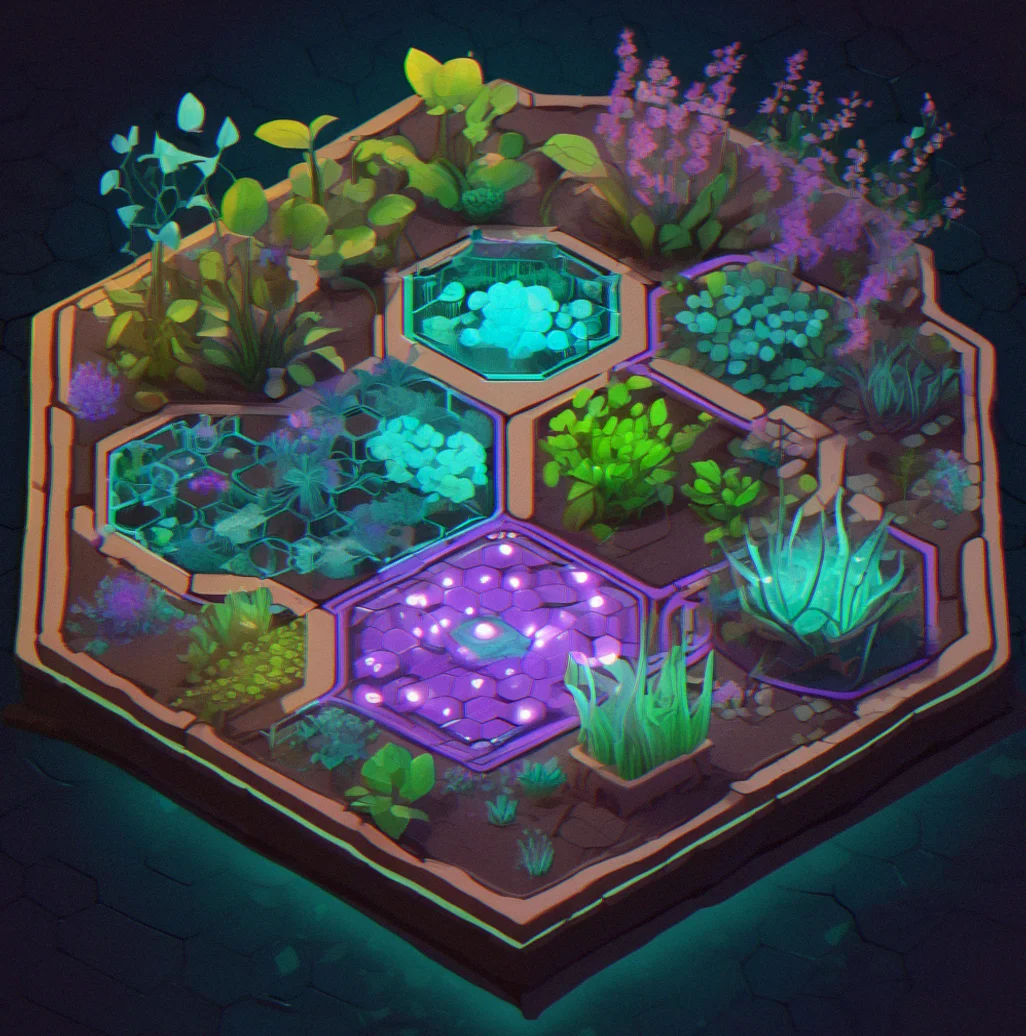
Build. Optimize. Watch it grow.
Place plant modules and tech nodes on a grid. Keep water, nutrients, and energy balanced as the puzzles get harder.
Coregarden is somewhere between a farming sim and a sci-fi puzzle game. No timer running down, just complex systems to think through. You build modular ecosystems, work through harder resource problems, and tweak every part of your garden. The stuff you create actually works. That's what makes it satisfying. Play at your own pace whenever you feel like it, not because something's forcing your hand. Built for people who like thinking in systems and seeing them actually function.
How Coregarden works
Six core systems you'll encounter and build around
Turn-based resource flow
Water, nutrients, and energy move through your ecosystem each turn. There's no timer ticking down in the background. You set up a configuration, commit to it, and watch what happens across multiple turns. Pure strategy, no twitch reflexes.
Modular grid construction
Plant modules and tech nodes live on a grid you control. You can rearrange them, spin them around, layer them however you want. The spatial puzzle is actually the puzzle—figuring out which pieces talk to each other and which ones choke off the flow. It's physical logic, not just clicking through menus.
Procedural challenges that escalate
You won't see the same challenge twice. Each one gets generated with different constraints baked in. Water becomes the bottleneck one time, then you're drowning in energy the next. The puzzle shifts. Difficulty ramps up steadily so you're always learning, never stuck.
Aesthetic customization throughout
Tweak the colors. Change your plant skins. Redesign the nodes. Swap grid themes. You build for efficiency first, then you make it look exactly the way you want. Seeing a well-tuned garden that matches your vision is honestly half the appeal.
Asynchronous, not always-on
Spend ten minutes or spend your whole afternoon. No energy bars to wait for. No arbitrary timers dragging you back in. You move forward when you make a move, not because some countdown finished. Real substance in a game that doesn't demand your constant attention.
Systems that flourish visibly
Nothing stays hidden in spreadsheets. Plants grow right in front of you. Energy pulses. Water flows through the channels you designed. Your ecosystem isn't just a number somewhere—you watch it thrive. That's where the real satisfaction lands.
What you're actually doing in Coregarden
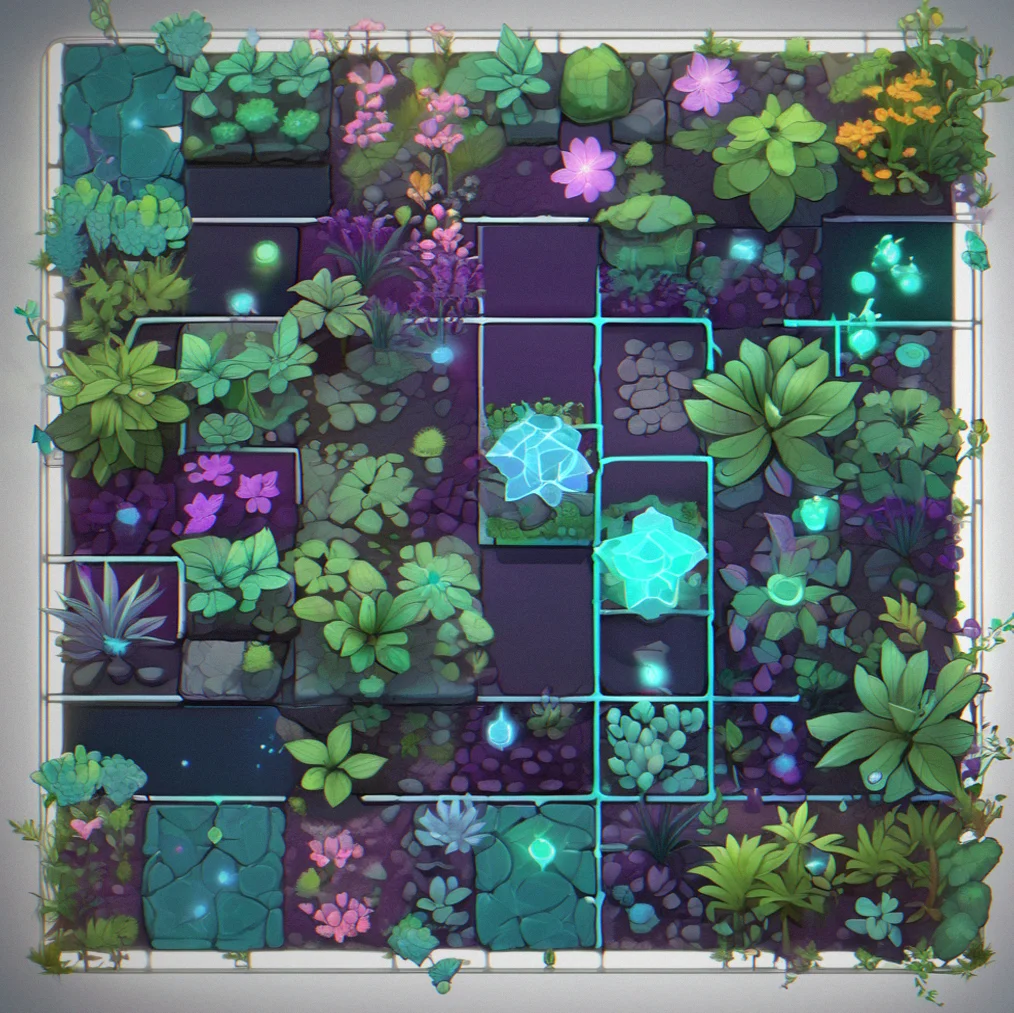
Arrange 3 plant modules on a 6x6 grid
Each module pulls different resource ratios. Place them to create adjacency bonuses or deliberate isolation—the spatial configuration matters. No hidden mechanics. You see the connections light up.
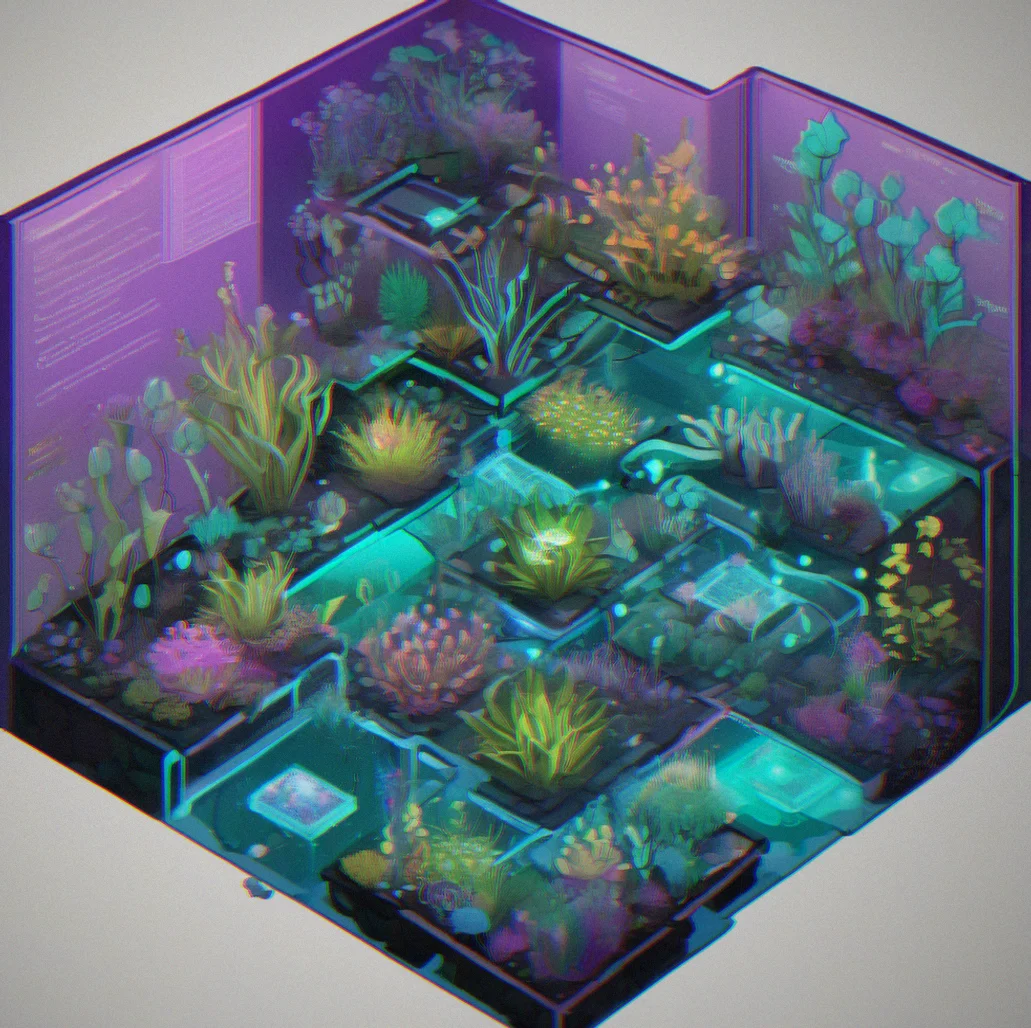
Balance water, nutrients and energy per turn
Water flows downward. Nutrients accumulate in soil nodes. Energy distributes from converters. Every turn you're deciding where resources go and what gets starved. Run out of one thing and everything else starts falling apart.
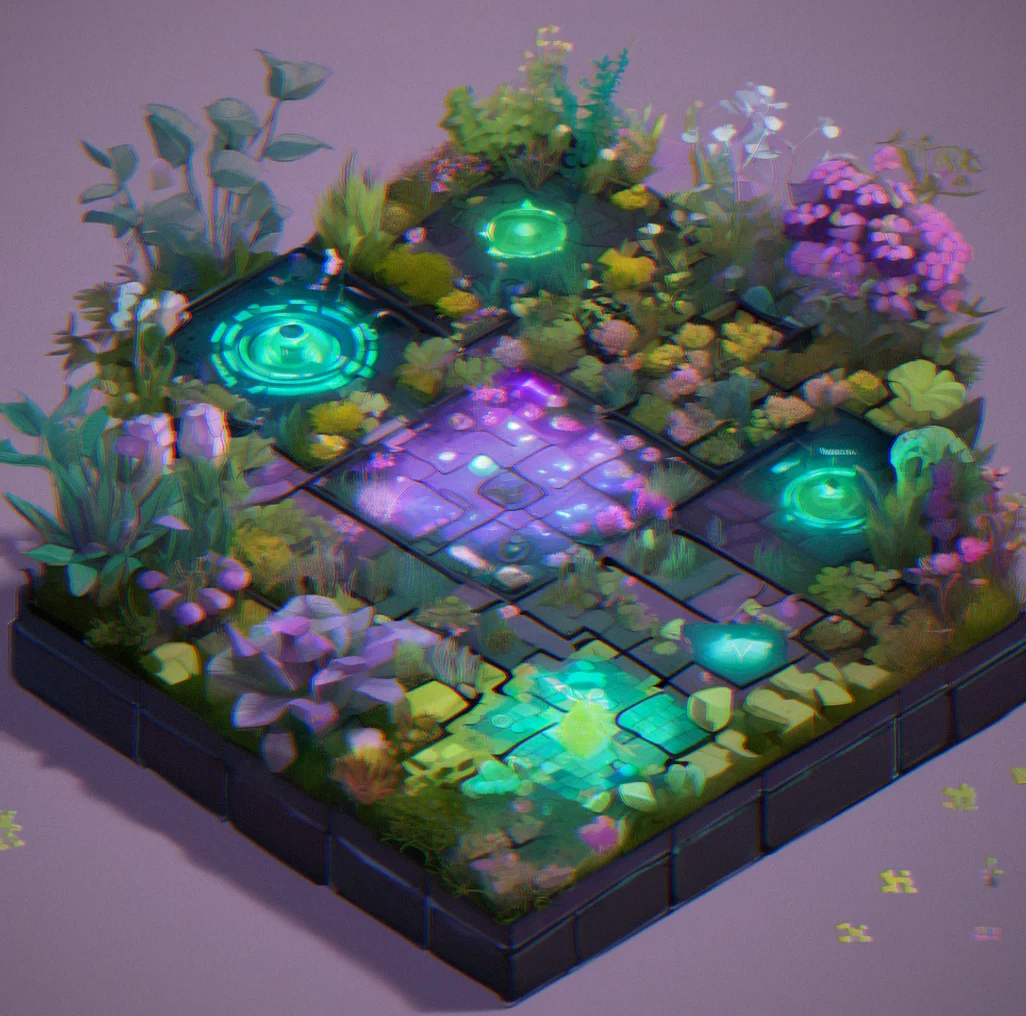
Solve procedurally-generated ecosystem puzzles
No two challenges are the same. One might strangle your water supply. Another forces you to keep three plant types alive at once. You get over 40 levels, each one a little harder than the last.
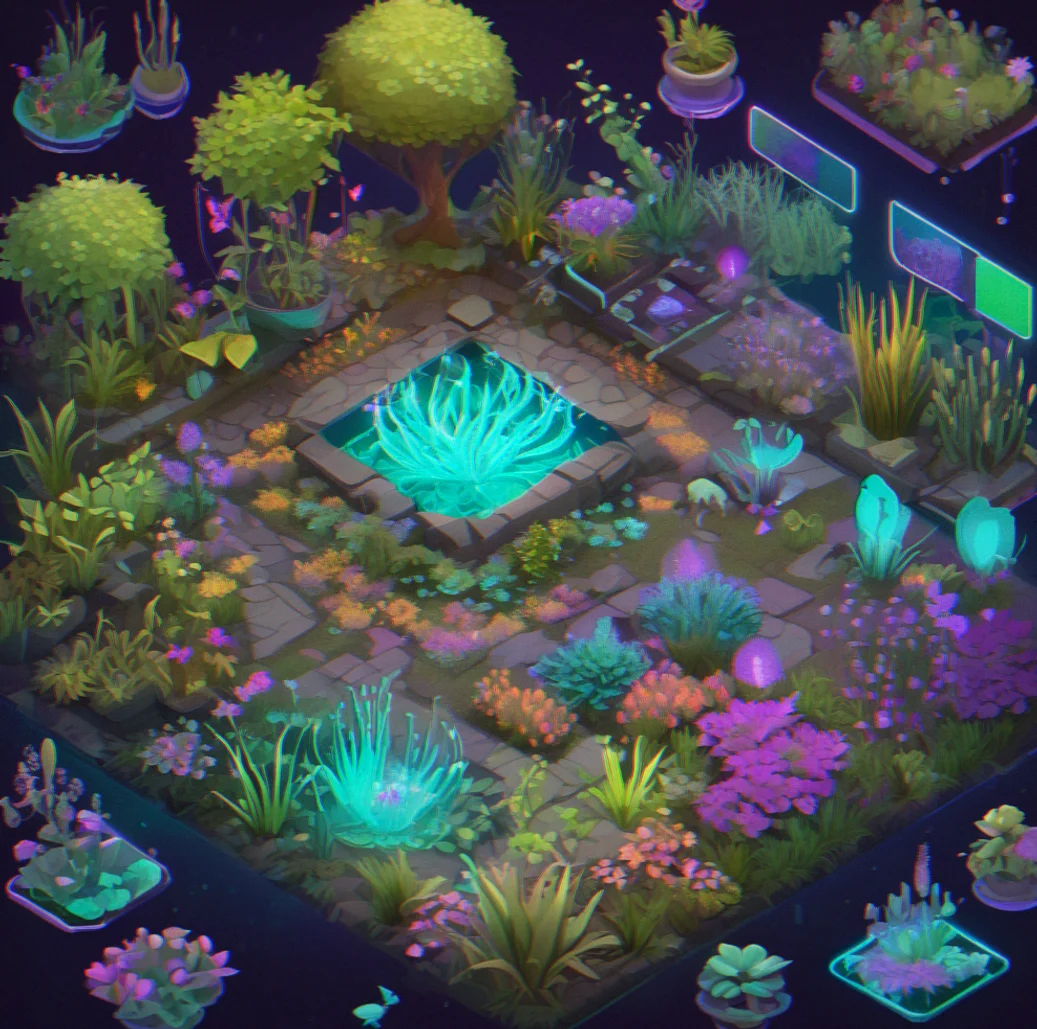
Customize every visual layer
Change plant skins, node colors, grid themes, background environments. Your optimized garden also looks exactly how you want. Function and aesthetics aren't separate—they're the same build.
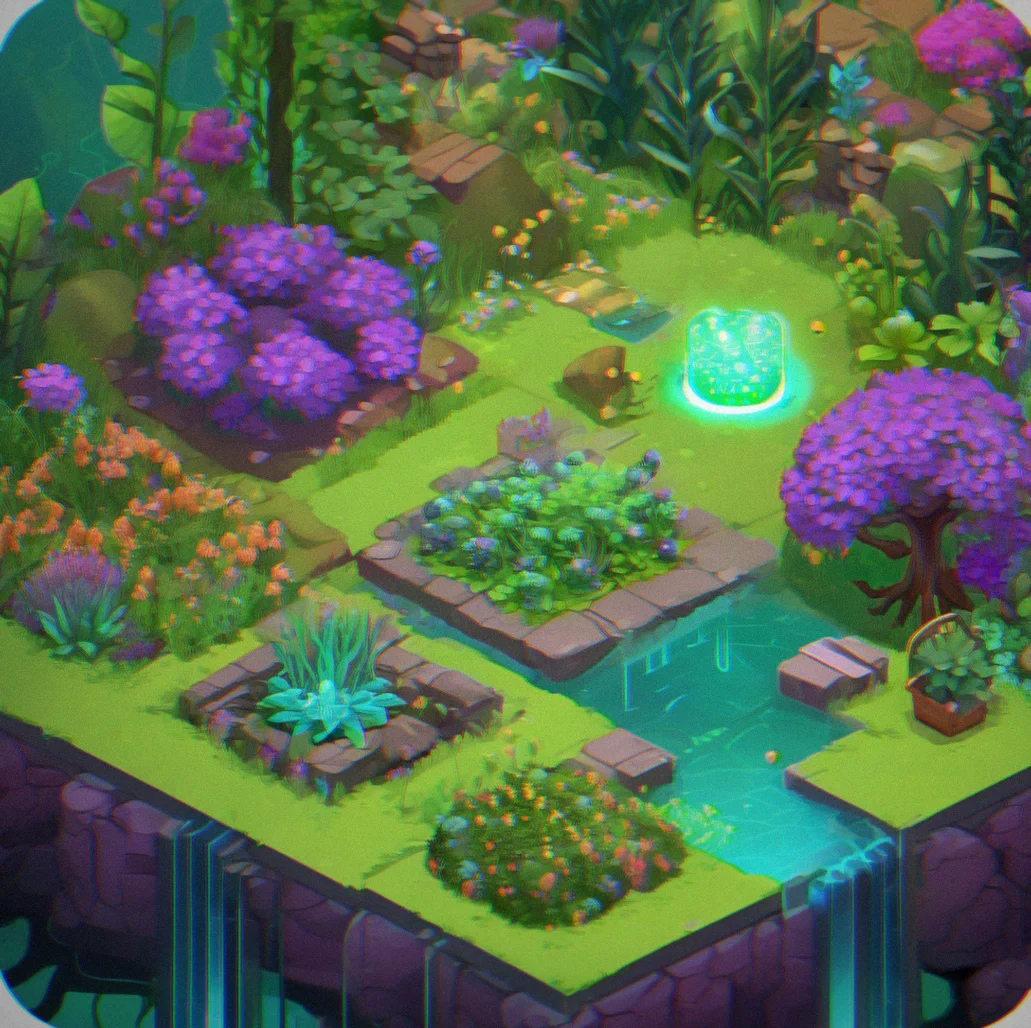
Play when you want, not when forced
No energy gates. No timers. No daily quests. Progression happens only when you make a decision—submit a configuration, execute a turn, solve a puzzle. Stop playing and return hours later. Nothing expires.
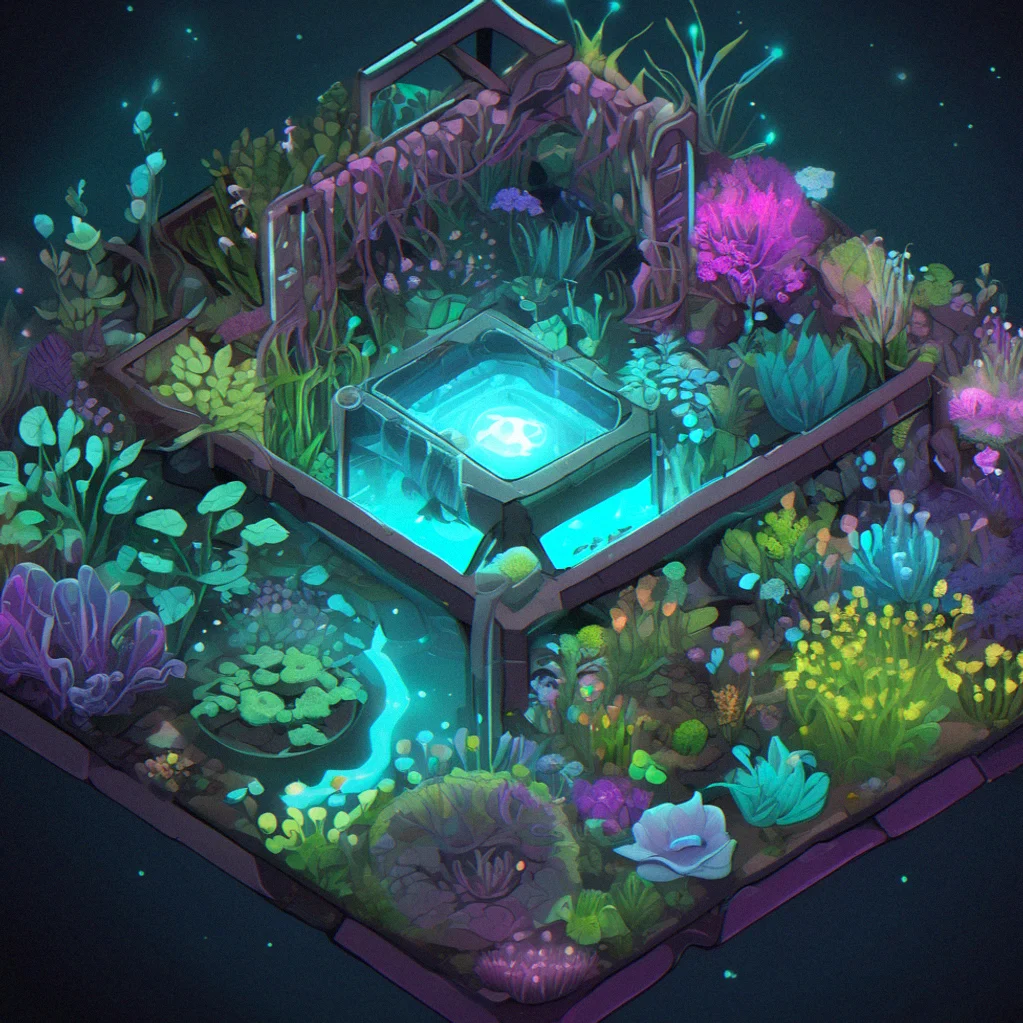
Watch systems you built actually flourish
Plants grow visibly. Resource channels hum with flow. Your ecosystem animates—not as abstract numbers but as moving, breathing systems you designed. The payoff is seeing it work exactly as you planned.
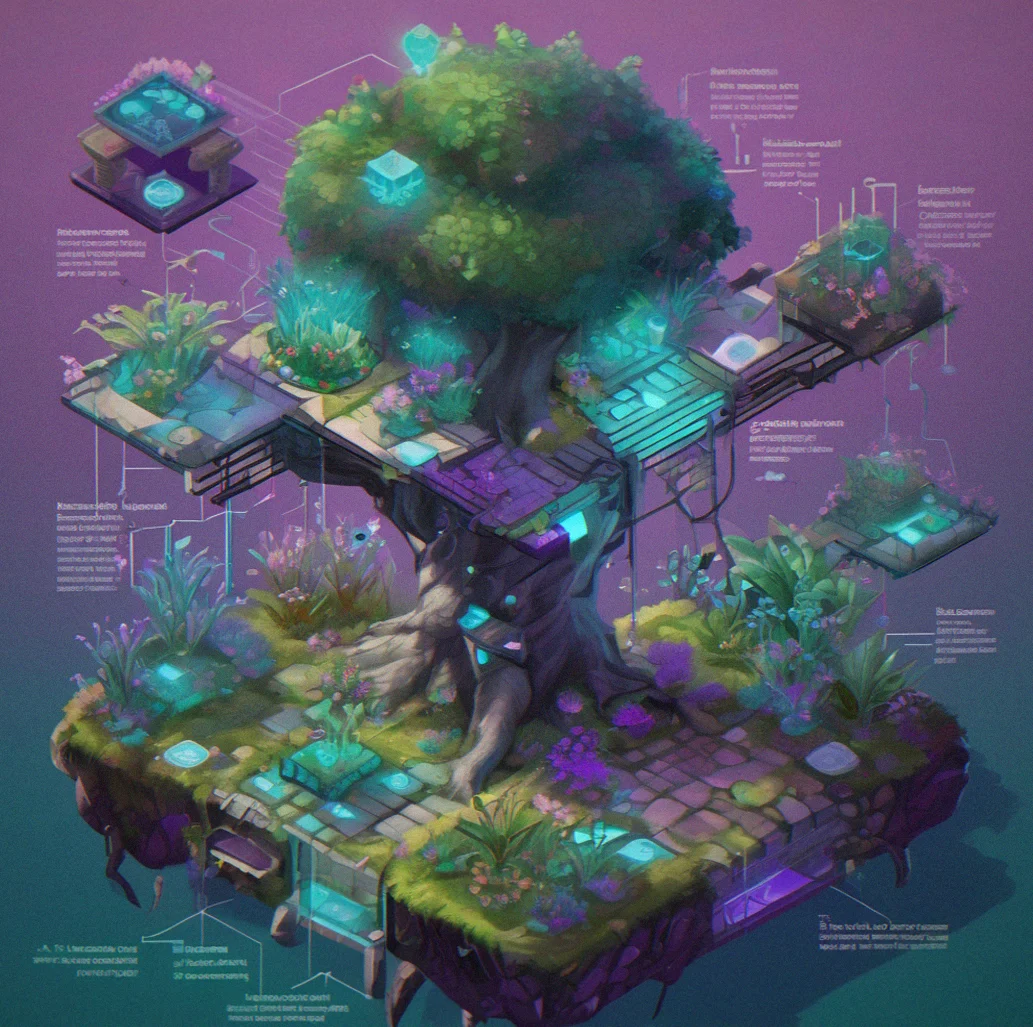
Unlock deeper modules as you progress
Early on you're working with basic plant and energy nodes. As you push forward, hybrid modules and split conduits show up. Adaptive nodes that actually change behavior dependiny on what flows through them. It gets complicated gradually, over dozens of hours.
Inside Coregarden
Real gameplay from start to finish. No staged screenshots, no marketing fluff. You get to see what it looks like when you're just starting out, then where you end up once things get complex.
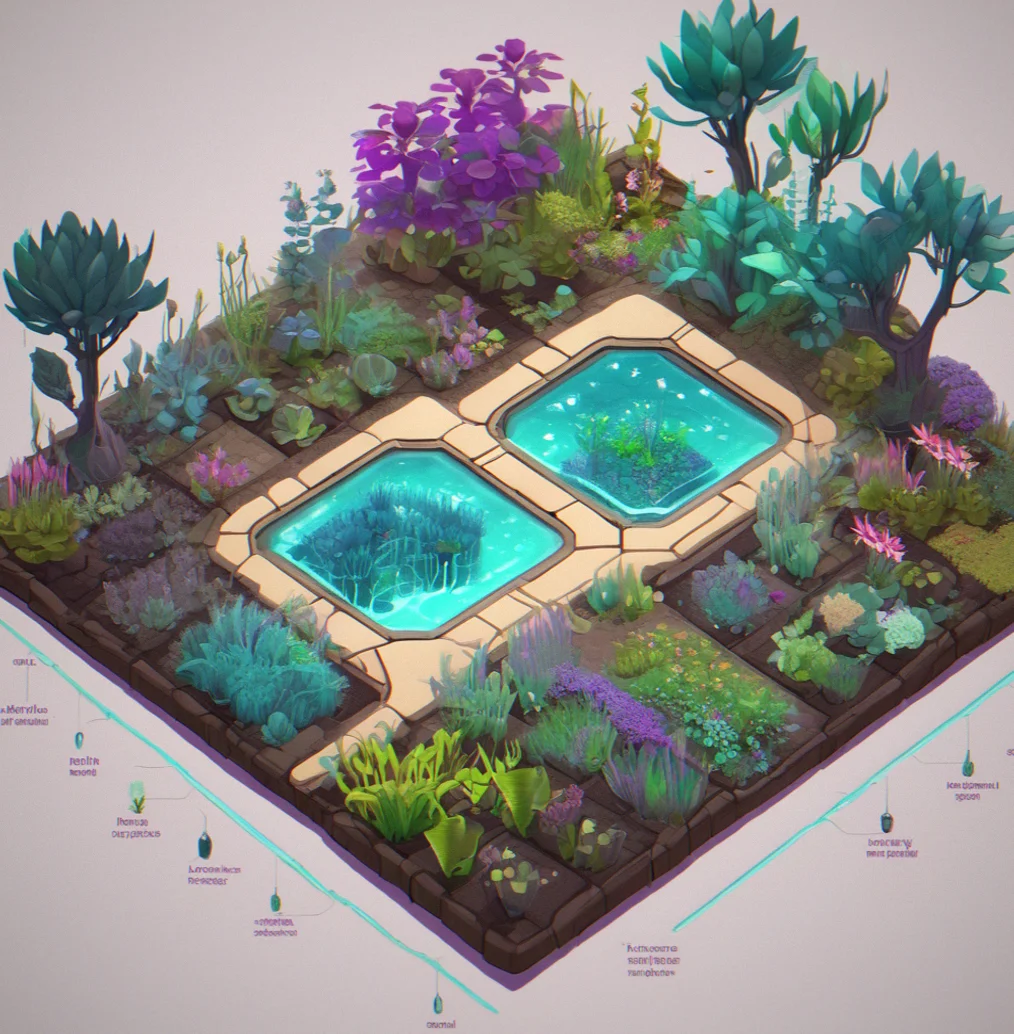
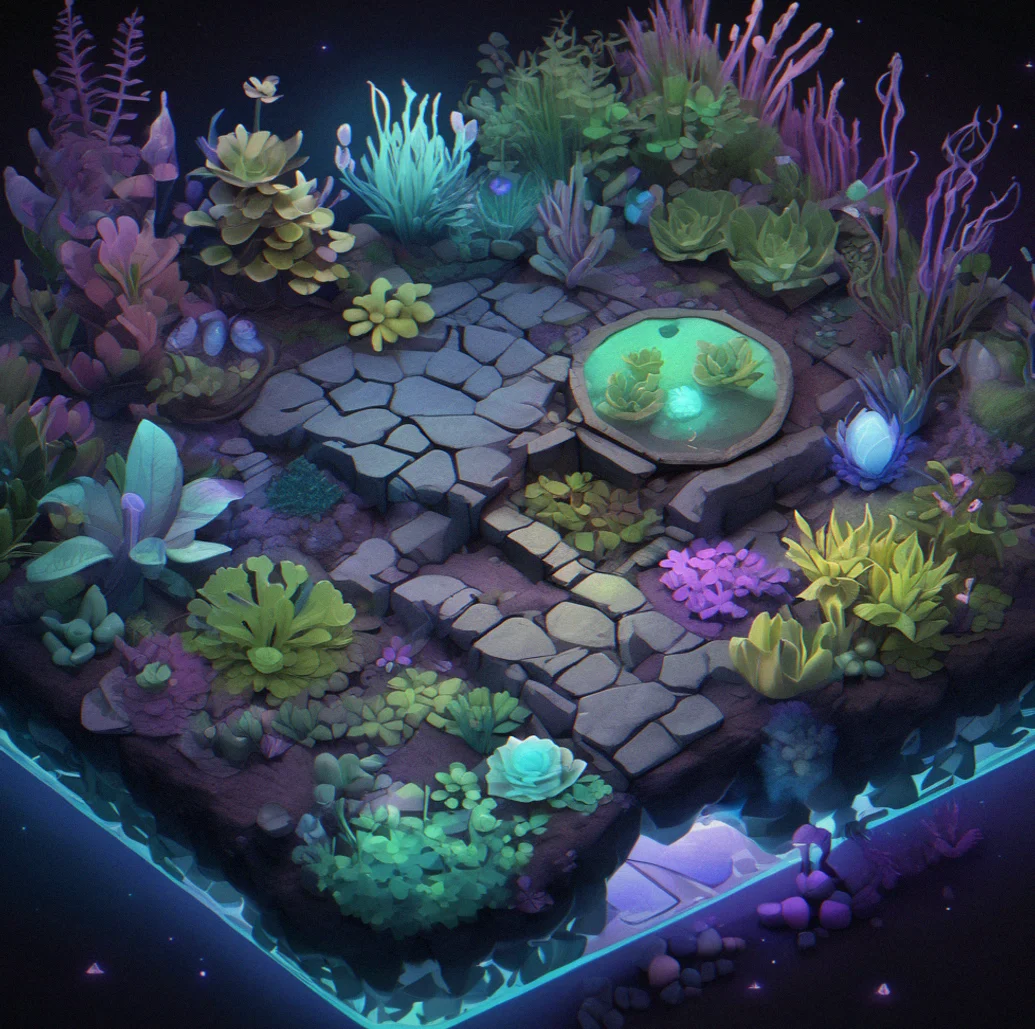
The beginning: three modules, two resources
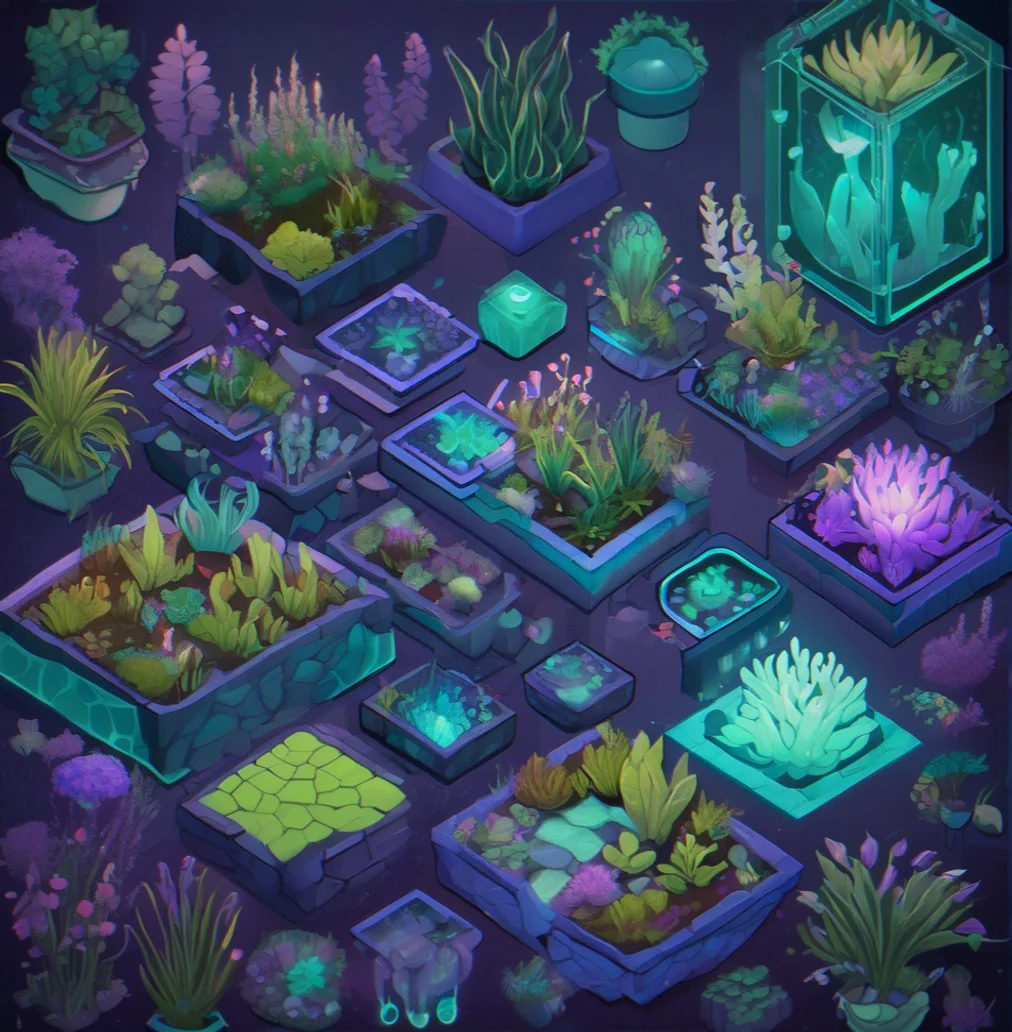
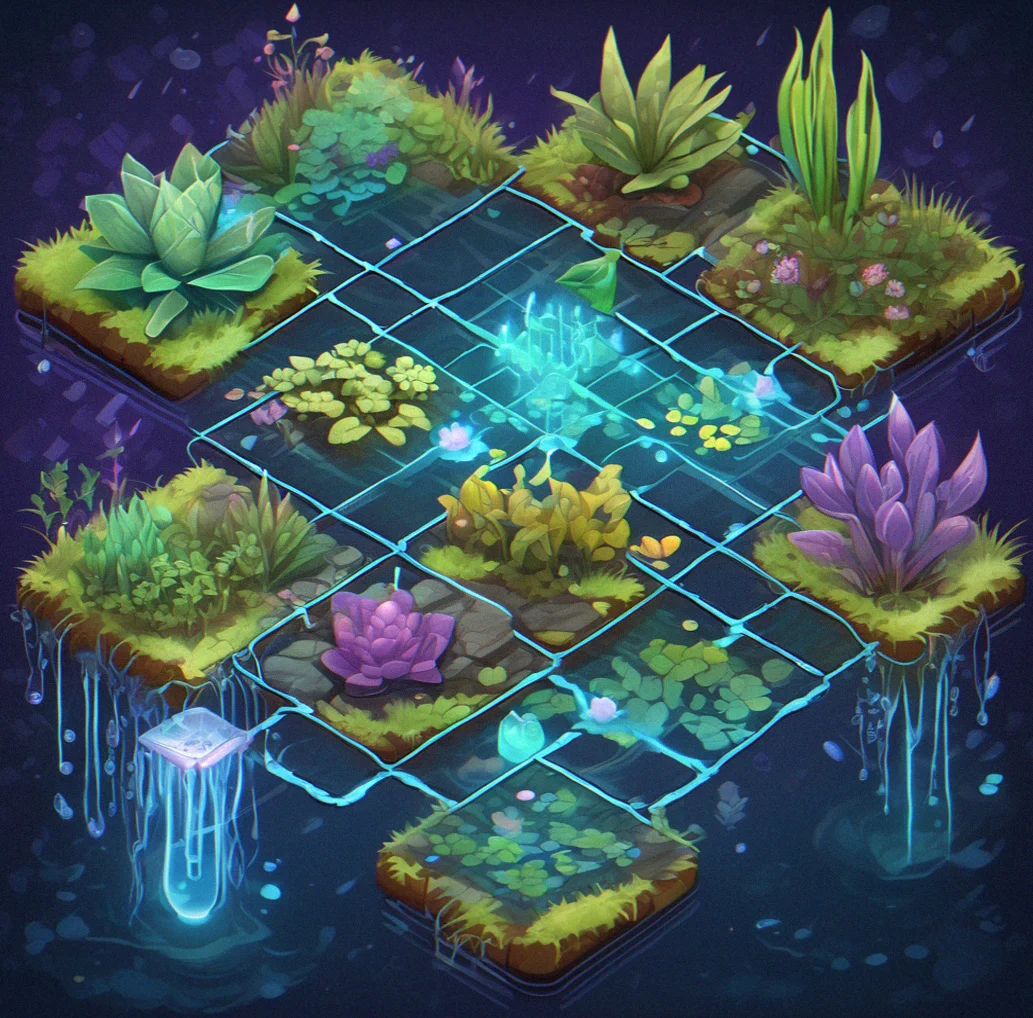
Once you customize: mechanics stay the same, but it looks completely different
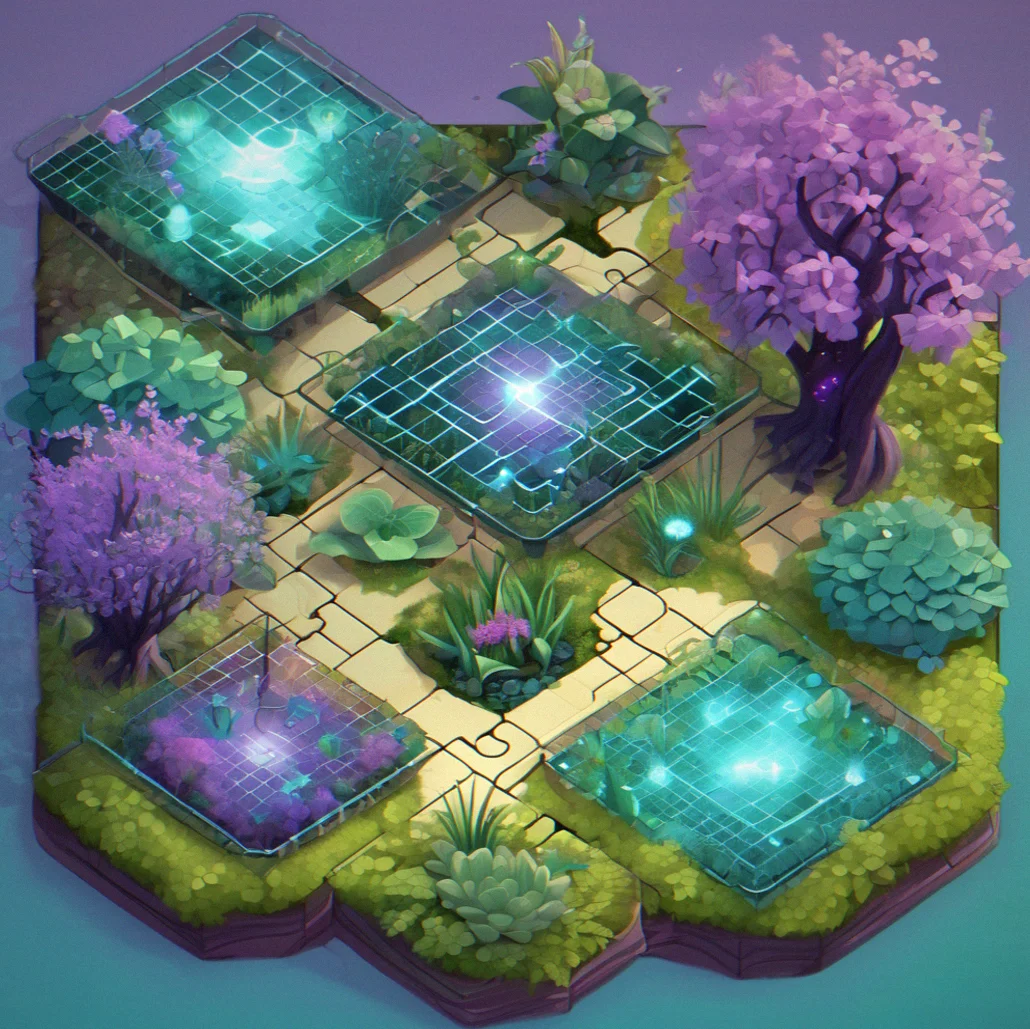
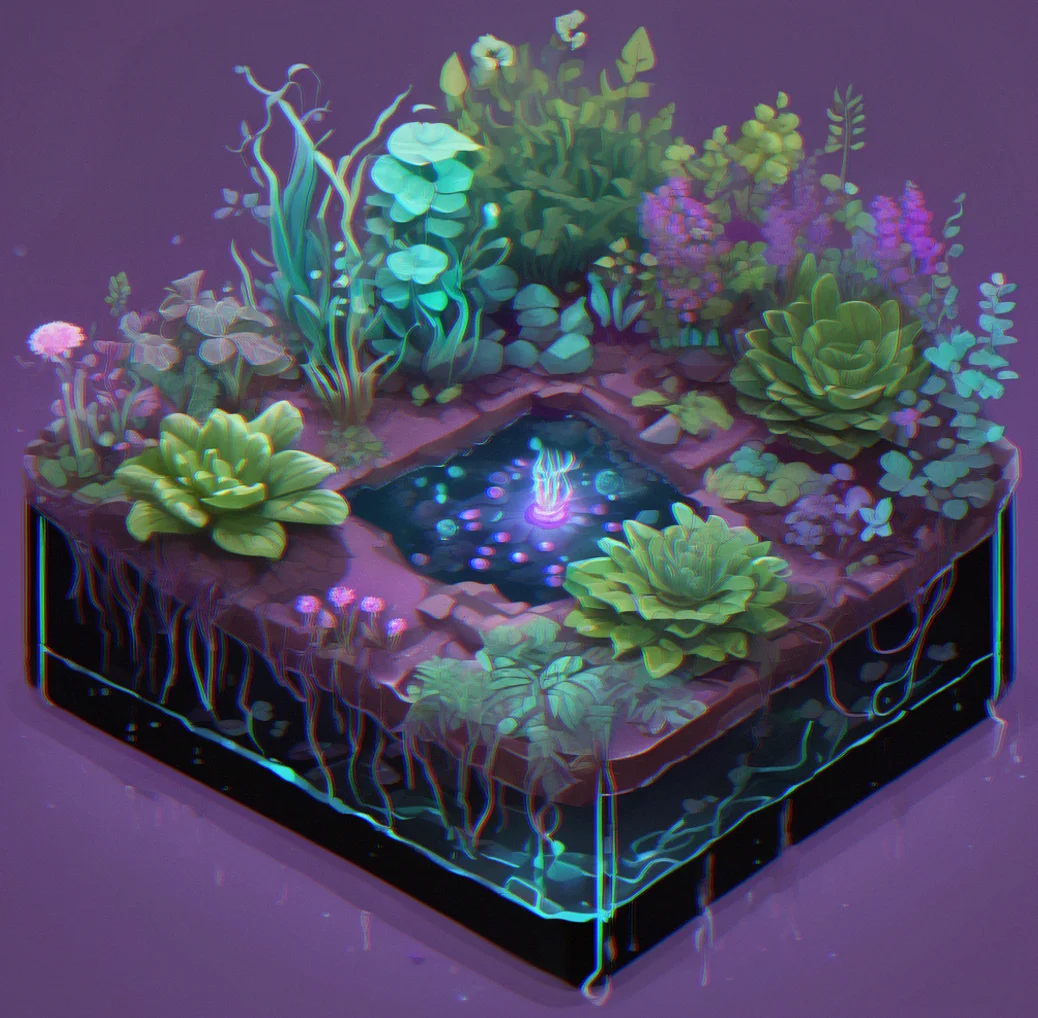
Where it gets tough: seven modules, hybrid nodes, tighter constraints
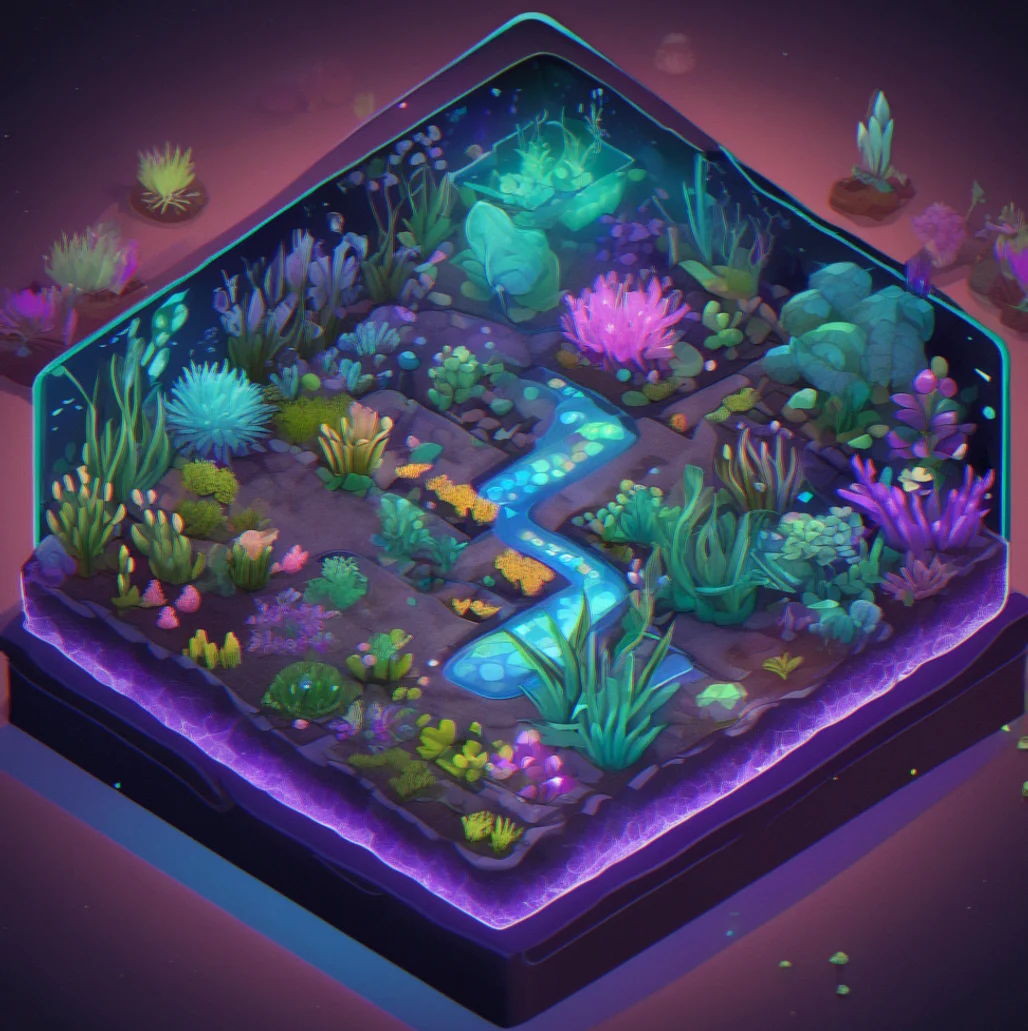
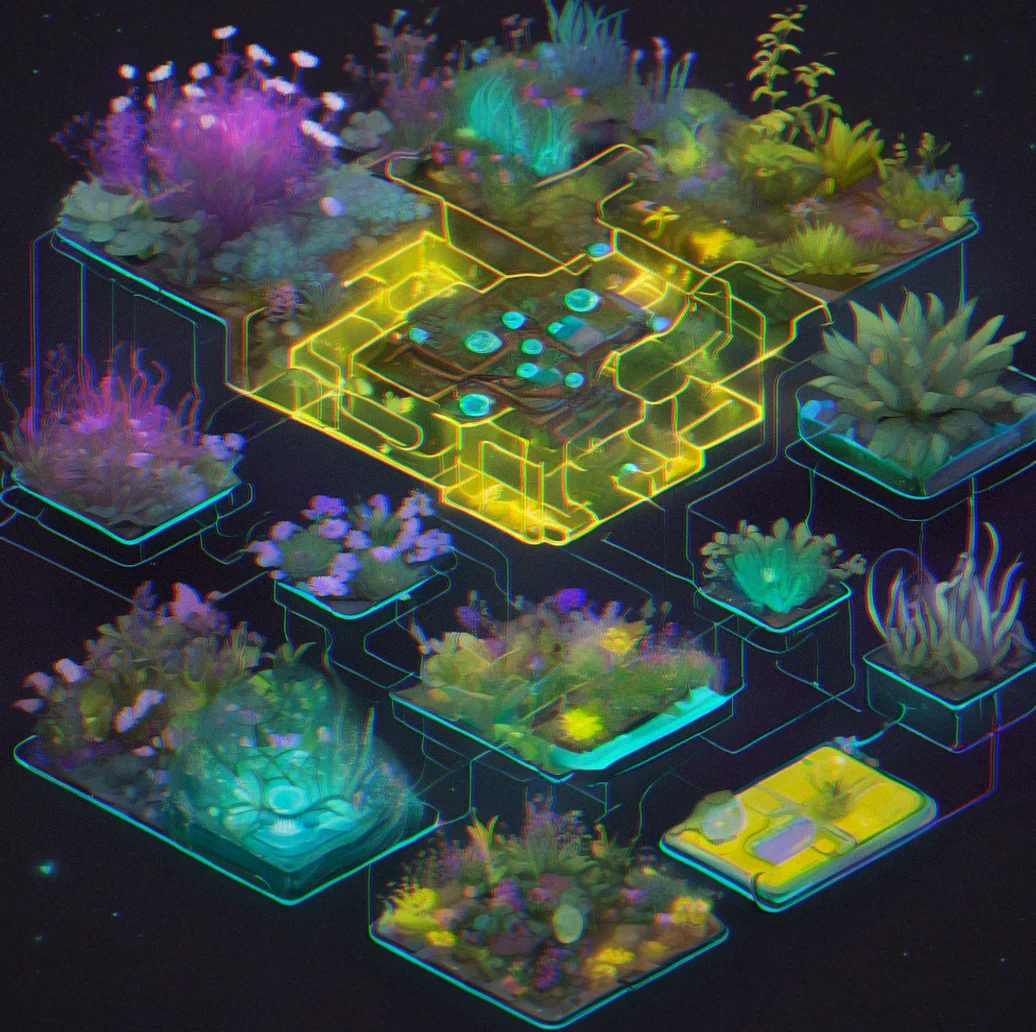
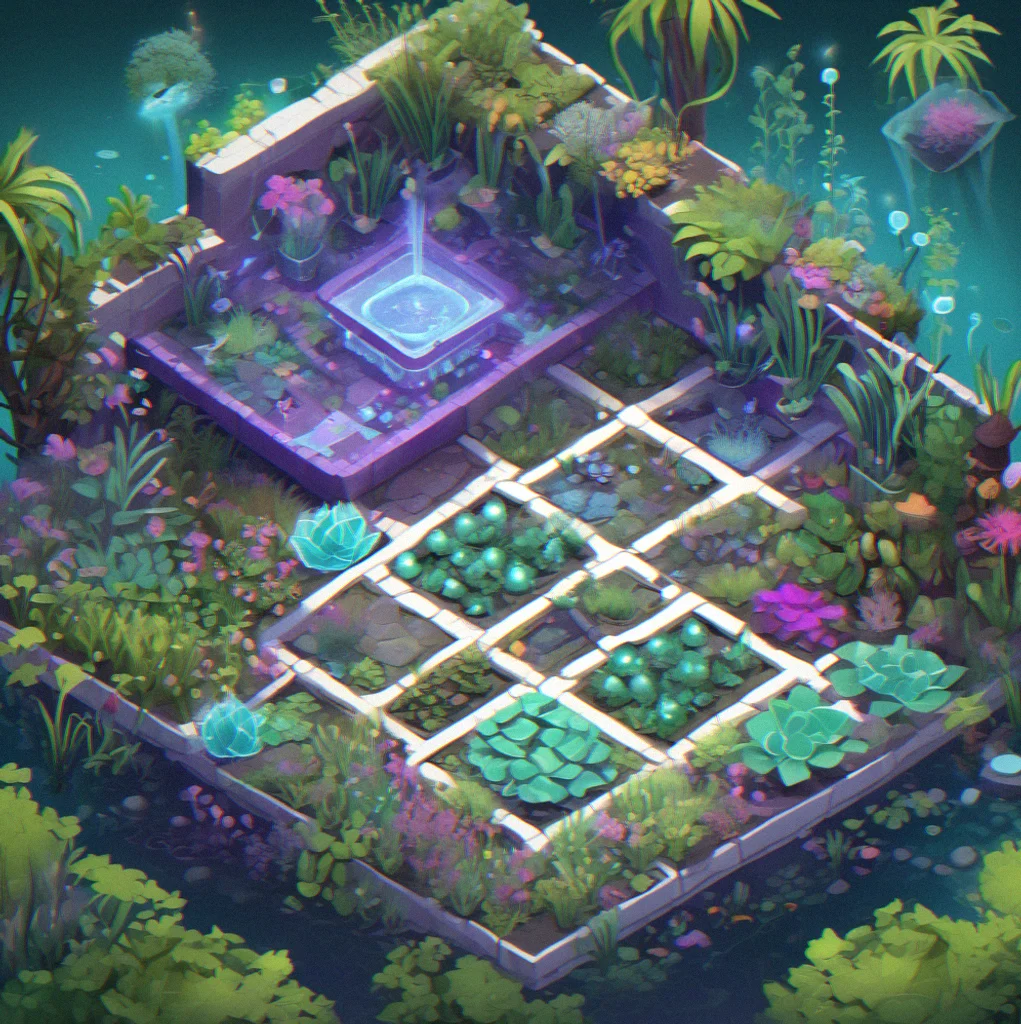
A working system: everything flowing the way you planned it
No timers
You play when you want. Step away for a few days and your garden sits exactly as you left it. Nothing expires. Nothing nags you.
40+ procedurally-generated levels
Every puzzle is built with different constraints. One level has barely any water. Another starves you for nutrients. The structure stays the same but you'll never solve it twice.
Modular grid-based construction
Drop plant modules and tech nodes onto a grid. What sits next to what matters. The angle of connections matters too. It's basically spatial puzzle solving dressed up as gardening.
Three resource types that interact
Water drops downward. Nutrients settle in soil. Energy radiates from converters. You juggle all three at once and watch them balance out. That's the puzzle.
Deep aesthetic customization
Your solution and your look are the same thing. Swap plant skins, recolor nodes, change grid style, pick a new background. A finished puzzle should feel like yours. Probably.
Escalating complexity over hours
Three modules at the start. Two resource types. By 20 hours in you're managing seven modules, hbyrid nodes, and branching chains. Difficulty climbs smoothly without ever slamming you.
Systems you can see working
Everything's visible. Plants grow. Resource channels glow and pulse. Your ecosystem animates in front of you. Watching it flourish in real time is the whole appeal.
Designed for strategic thinking
Turn-based play means you pause, think and change your mind whenever. No twitch reflexes. Just logic and spatial reasoning. Puzzles that reward taking your time.
What makes it different
Explore what makes the systems tick
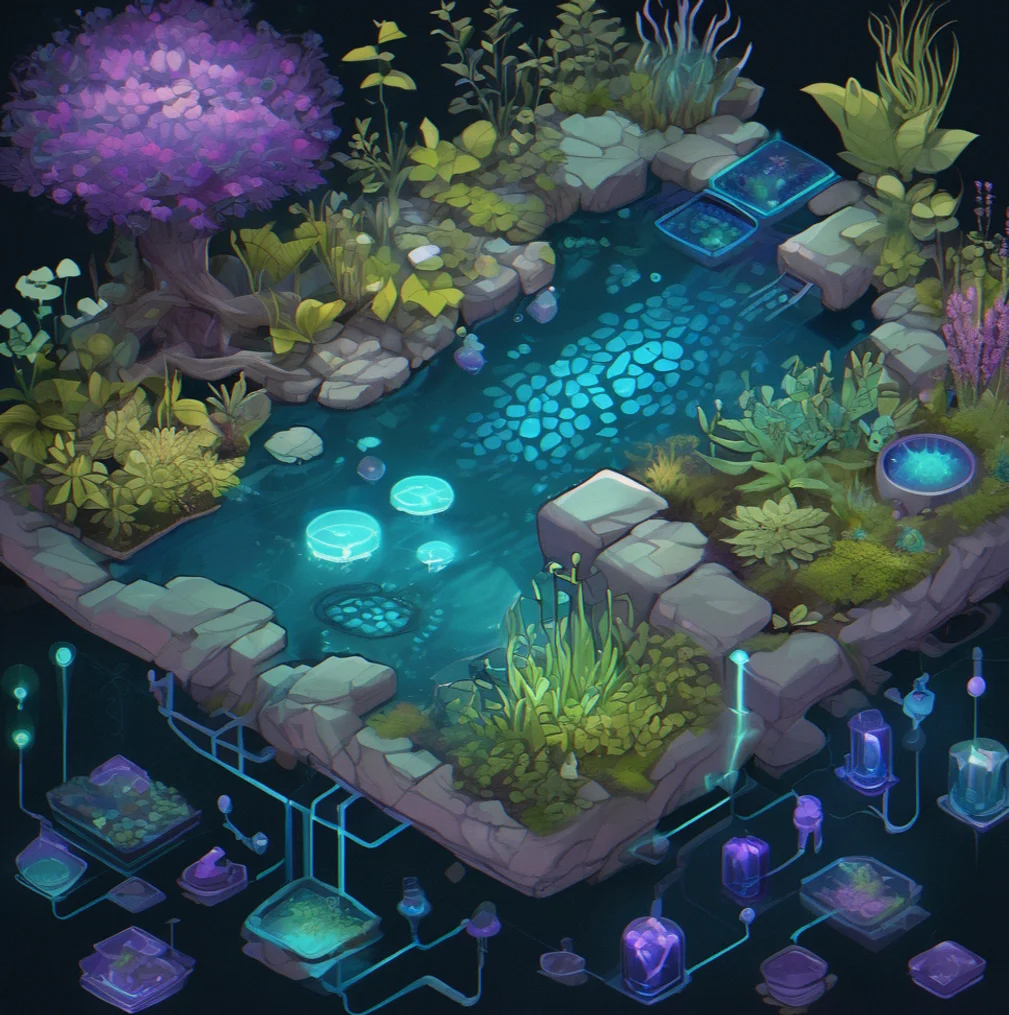
Water mechanics: downward flow
Water enters from the top and works its way down through connected nodes. It collects in reservoirs, and your plant modules consume it. Let it run dry and everything dies. That's it—straightforward but it puts real pressure on your layout.
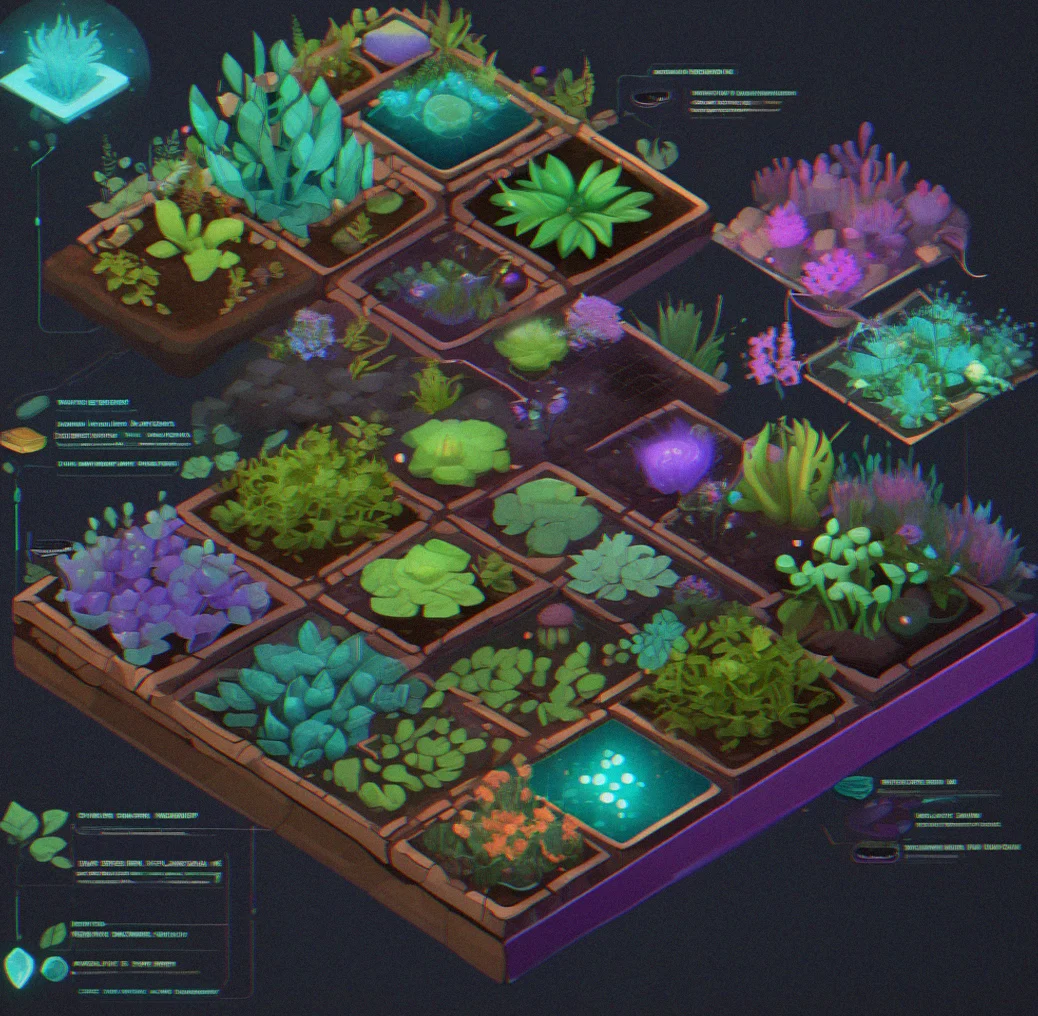
Nutrients: soil accumulation
Soil nodes accumulate nutrients every turn. Plants pull from soil nearby, and you can drop nutrient converters in to rebuild depleted areas. The real trick is arranging modules so they share nutrient pools without starving each other out.
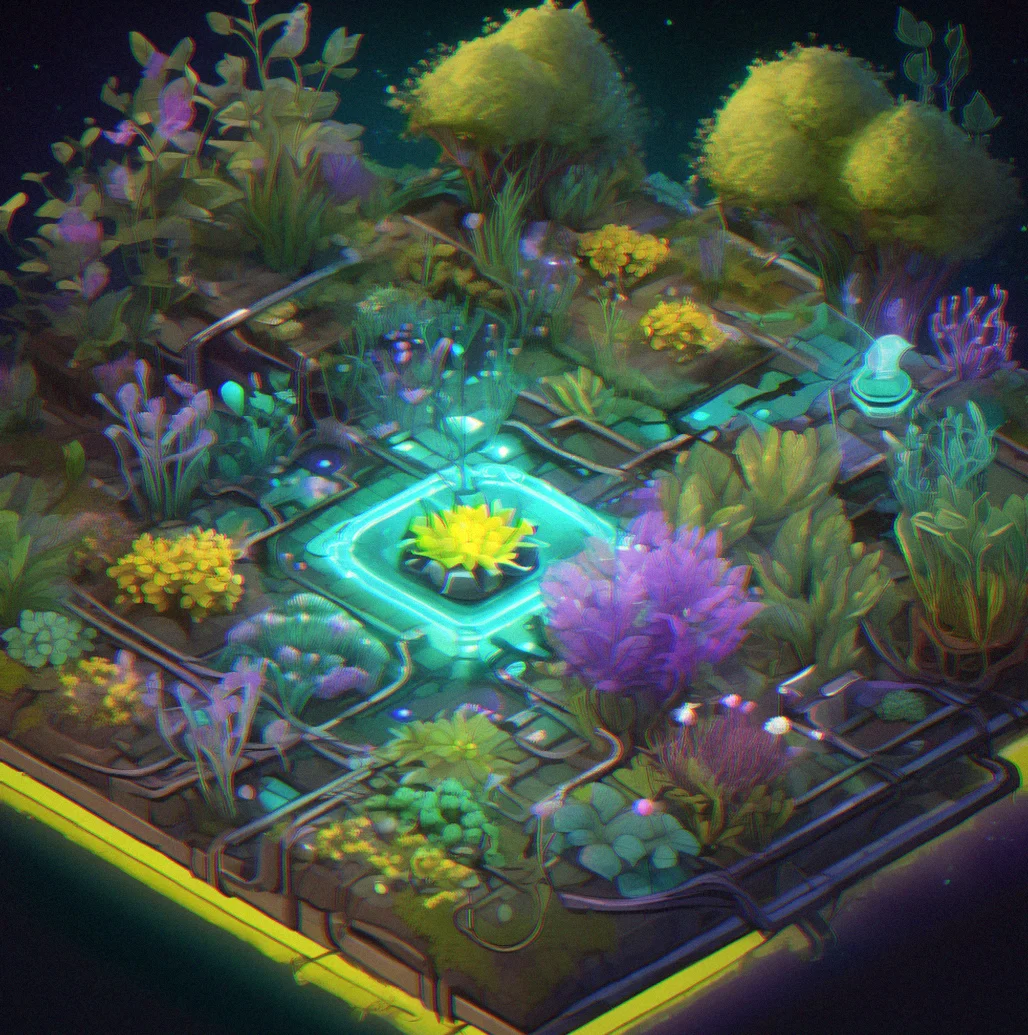
Energy distribution: the bottleneck
Your converters generate energy and it spreads across the grid. Problem is you never have enough. Do you power all three plants or run one at full blast? That choice shows up every single turn.
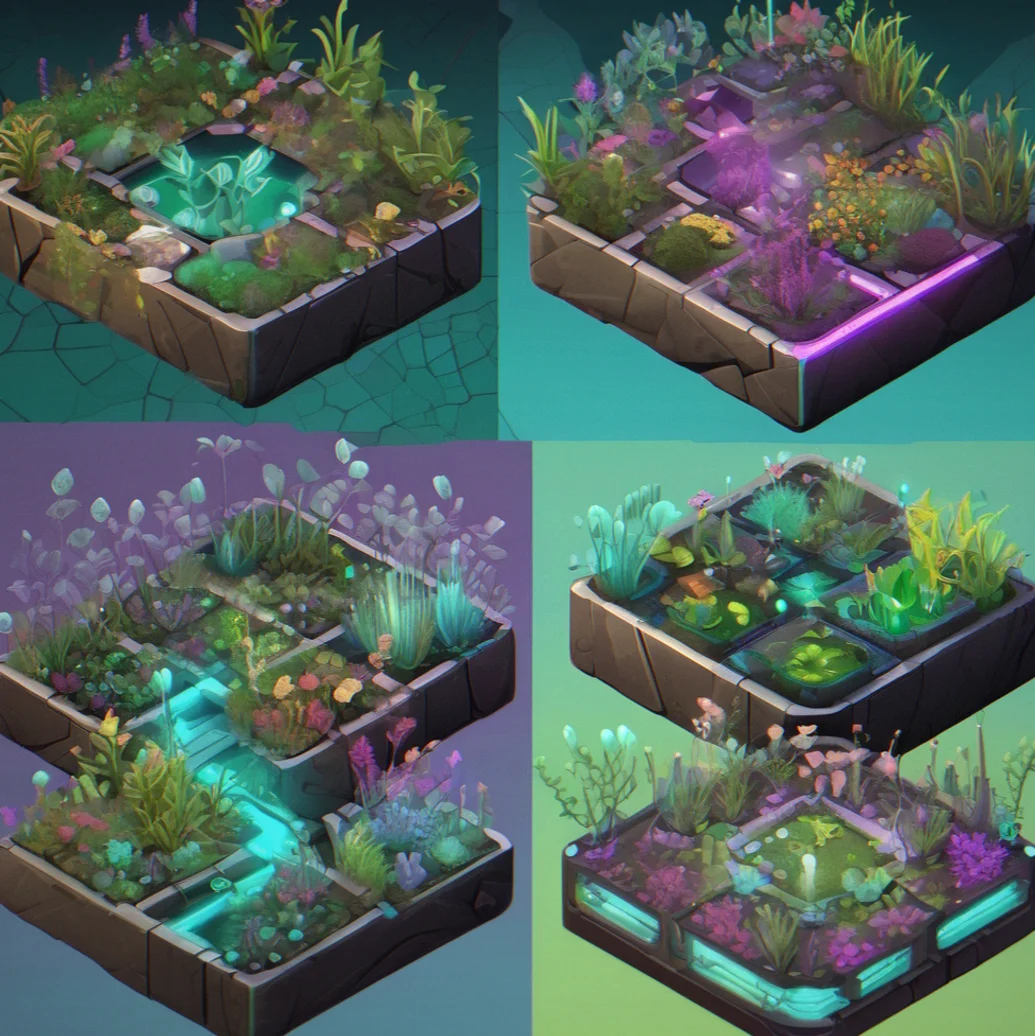
Modularity: swap and reconfigure
Each plant module wants different resources and produces different outputs. Swap a power-hungry module for one that demands more nutrients? Just rotate your grid and swap it out. Reconfiguring is basically your main tool for tackling tougher challenges.
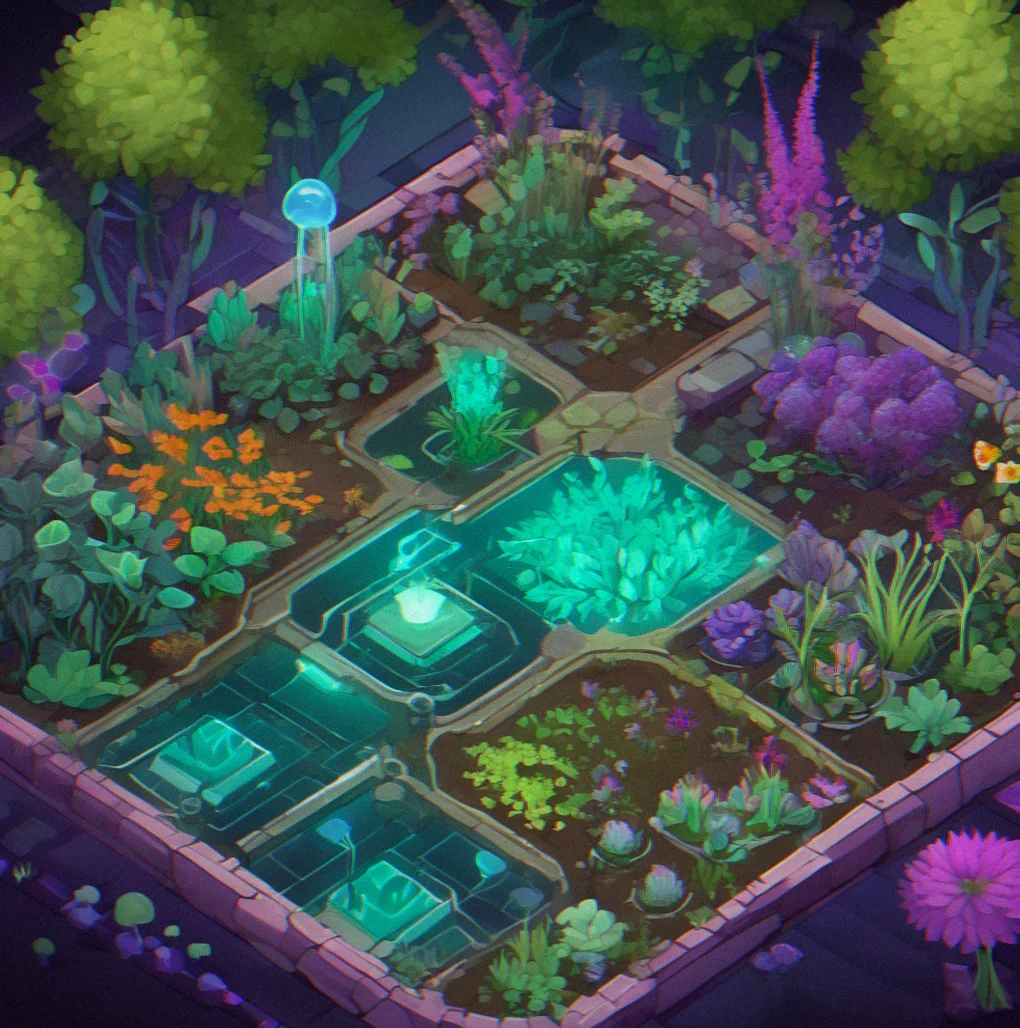
Procedural design: never the same twice
What if you got 30% less water than the last puzzle? The generator throws different constraints at you—too much of something, not enough of something else, time running short. You're not just replaying the same solution over and over. Every puzzle makes you think differently.
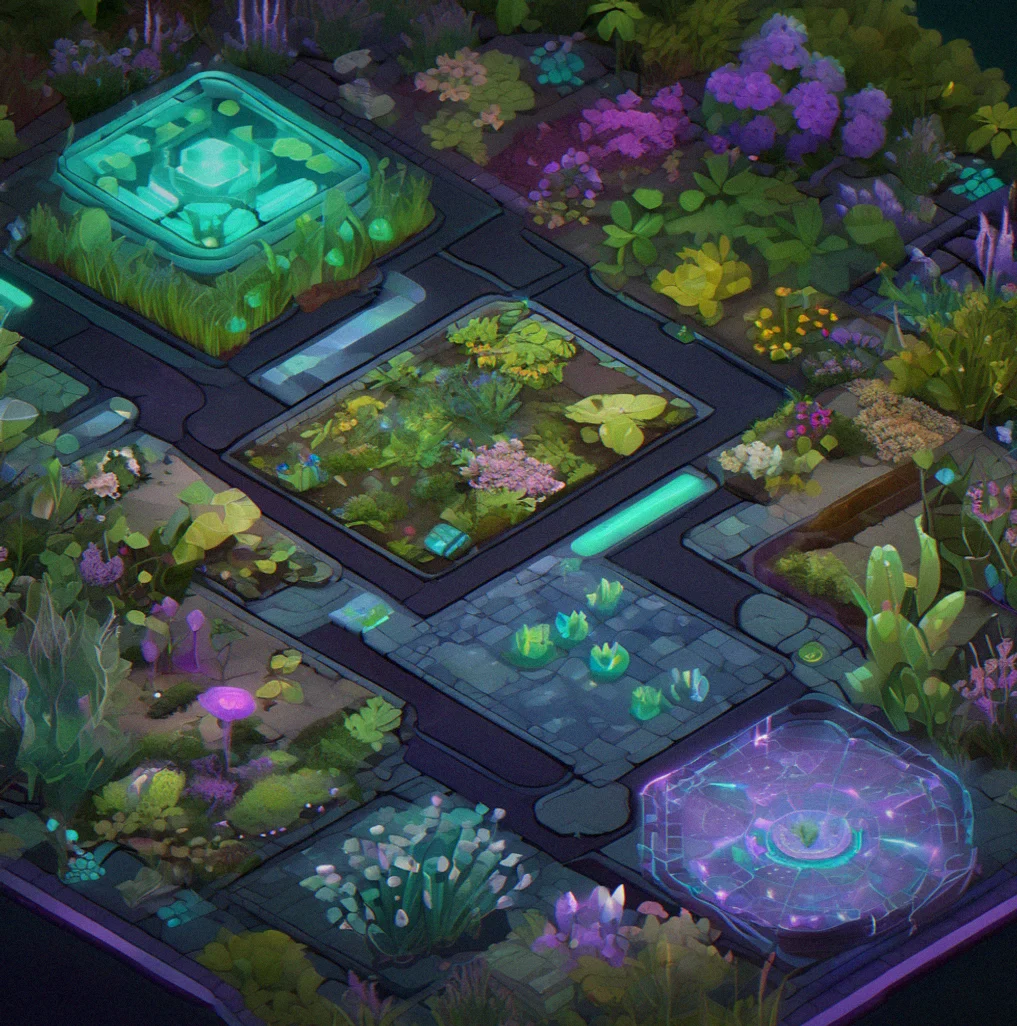
Turn-based progression: your pace
You lock in your setup and execute. One cycle of resources flows through everything. Then you plan the next move. There's zero time pressure—take an hour if you want to think it through.
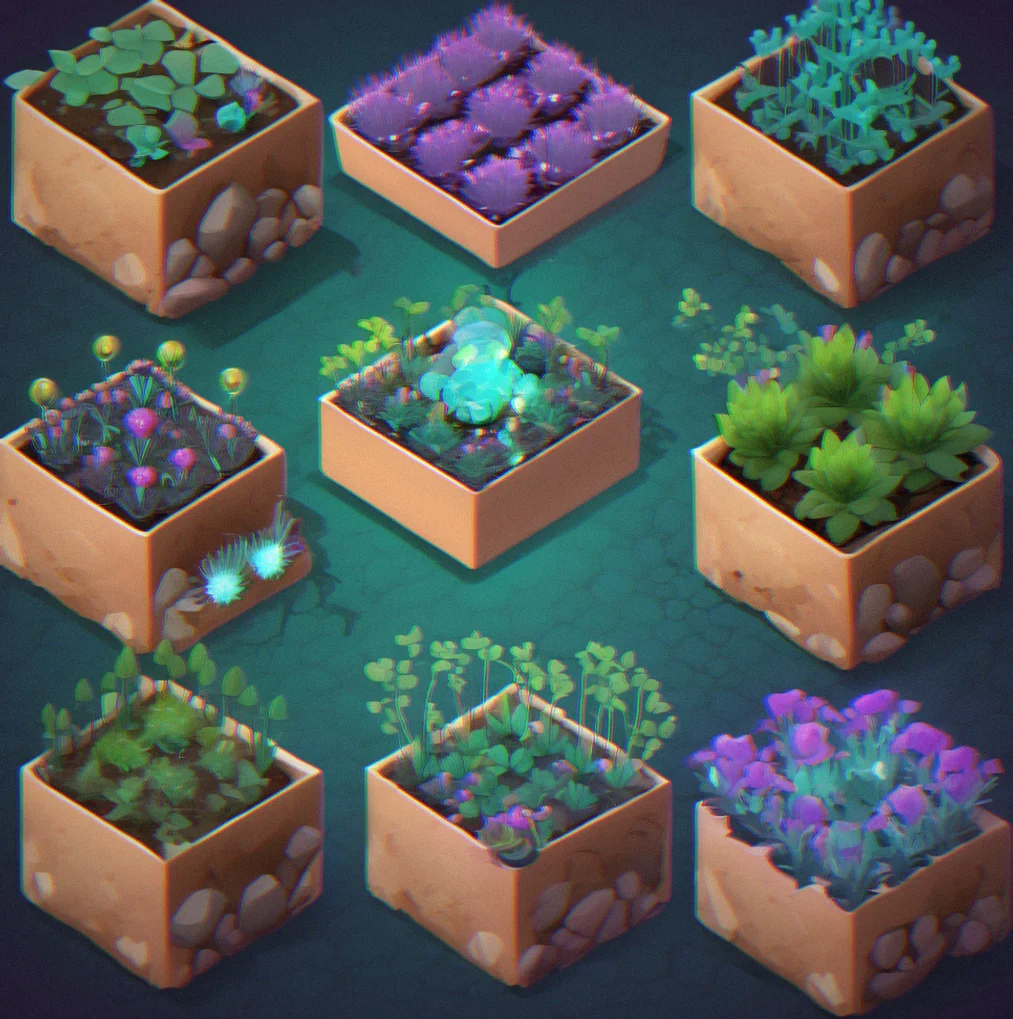
Escalation: complexity grows gradually
You start with just three modules and two resource types to juggle. By 20 hours in you're handling seven modules, nodes that change behavior, and intricate pathways. The difficulty ramps up smoothly so you adapt without ever feeling blindsided.
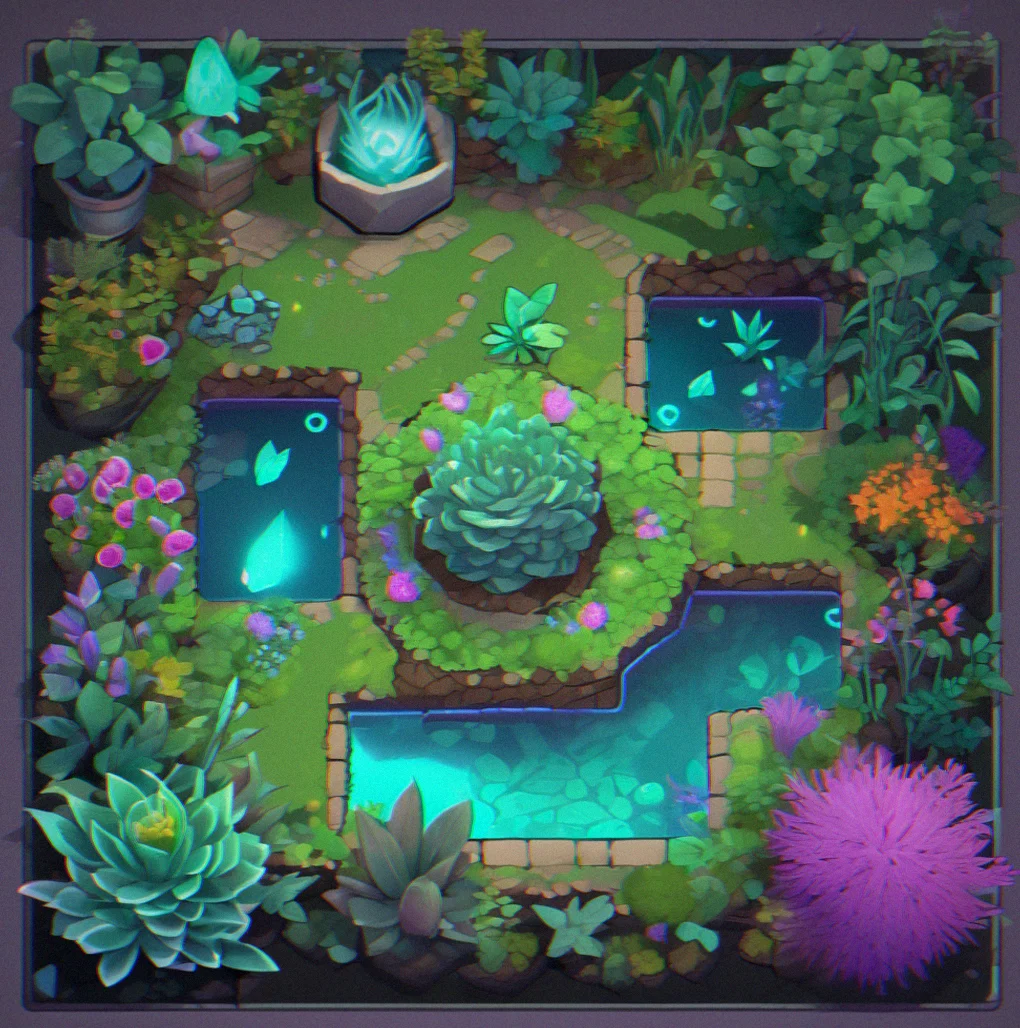
Customization: function meets style
While you're optimizing, you're also making it yours. Change your plants from regular green to bioluminescent purple. Recolor the nodes. Pick an environment theme. Your finished ecosystem looks exactly the way you imagined it.
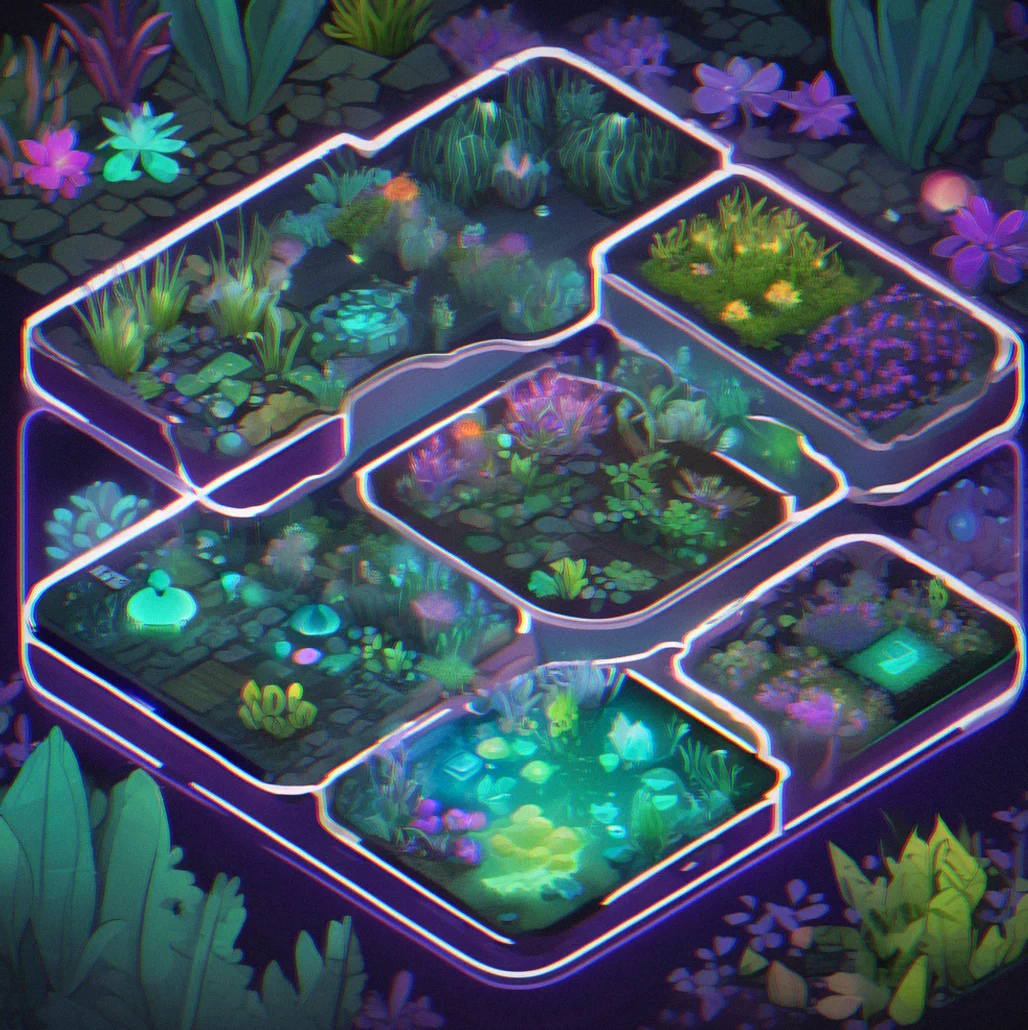
Asynchronous play: fits your life
Nobody's forcing you back with daily quests or energy timers that drain away. Play for 15 minutes. Play for three hours. Come back a week later and everything's still there waiting for you. The game doesn't punish you for taking a break.
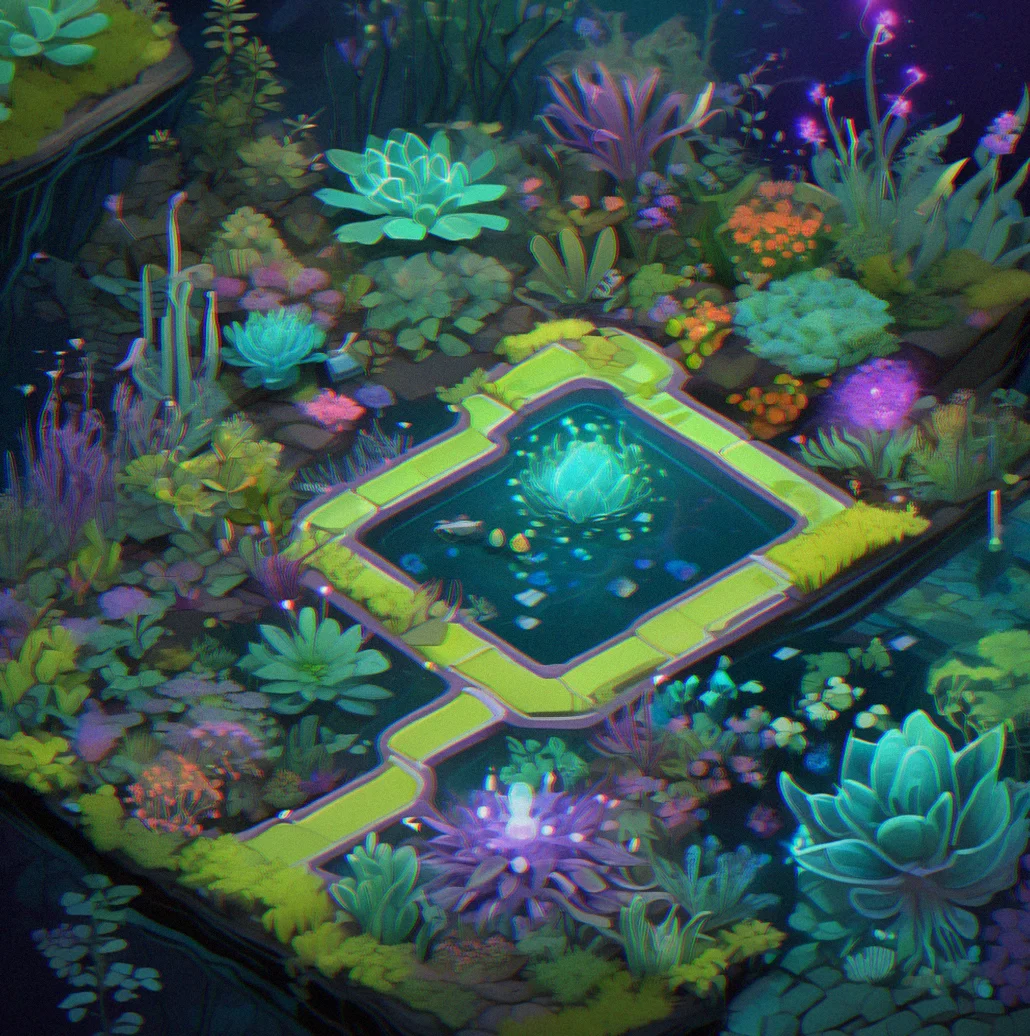
Satisfaction: watching it flourish
When a puzzle clicks? Plants grow right before your eyes. The channels carrying resources light up and pulse. Your whole Ecosystem animates into life—not just numbers, but something you built working Exactly as you planned it. That moment is everything.
Core mechanics explained
Five things you need to understand about how Coregarden actually works.
Grid-based module placement
You're placing plant modules and tech nodes on a grid, and where you put them matters. Each placement changes how resources move around—water takes a different path, nutrients Settle in new spots, energy spreads from the converters in a whole new pattern. Think of it like sudoku but with pipes and biology mixed in. The spatial puzzle is basically the whole game.
Three resource types interacting
Water always flows downward. Nutrients build up in soil nodes. Energy radiates outward from converters. You're juggling all three at once and that means making trade-offs every single turn. You can't push everything to maximum simultaneously, so you have to figure out what matters most right now. That's where things get interesting.
Turn-based, not real-time
You set up your configuration and execute the turn. One full cycle of resource movement plays out in front of you. Then you plan your next move. No countdown. No twitch mechanics. It's all about thinking things through.
Procedural challenge generation
Every puzzle gets generated with its own set of constraints—maybe resources are scarce, maybe you've got too much of something, maybe there's a timing crunch, maybe certain modules aren't available. With over 40 levels, you're basically never solving the same thing twice. The early ones stick to basic modules. As you go deeper, you run into hybrid nodes that behave differently depending on what feeds into them.
Customization as you optimize
While you're working through the resource puzzle, you're also making your ecosystem look the way you want it to. Change plant skins, adjust node colors, swap backgrounds. By the time you finish, your garden looks exactly like you designed it. Optimization and aesthetics aren't two separate things happening at different times.
The game in motion
What does progression actually look like? Early puzzles teach the basics. Later ones force you to juggle multiple resource types at the same time.
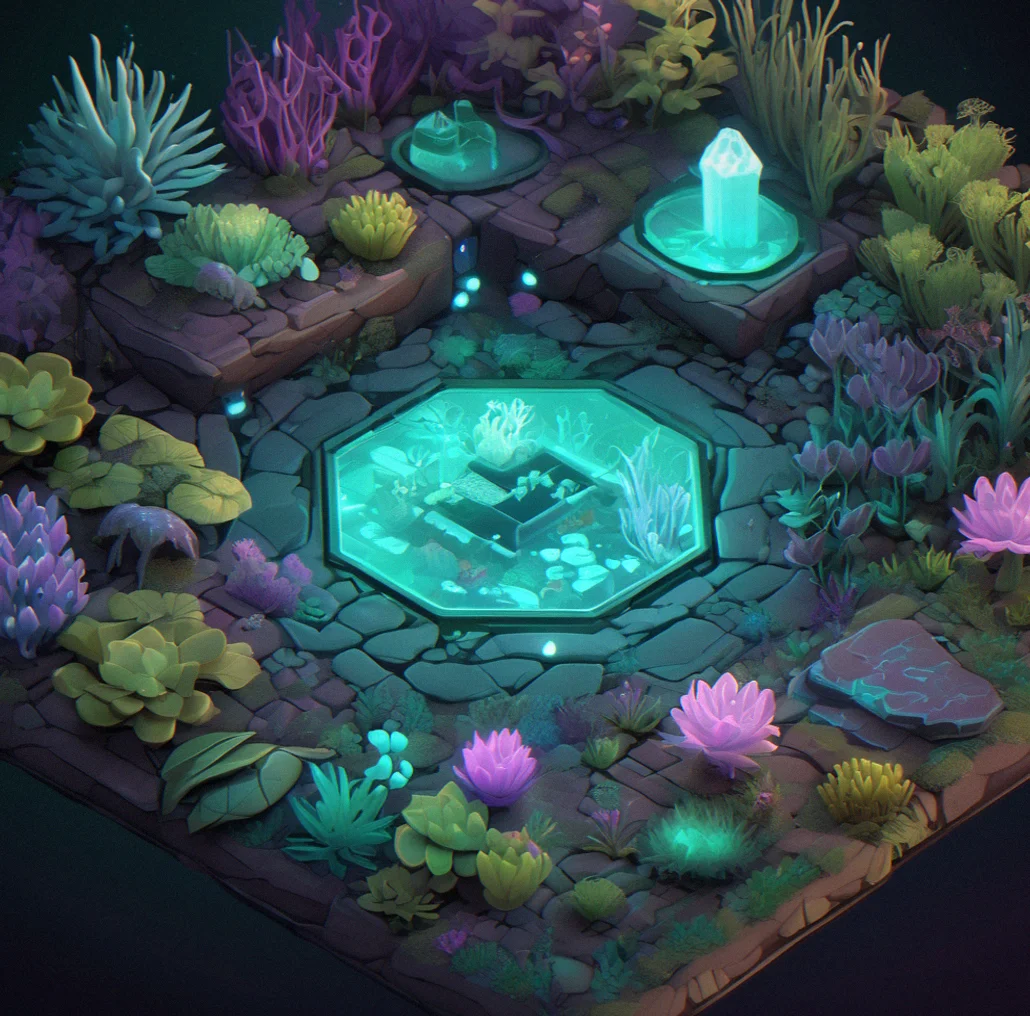
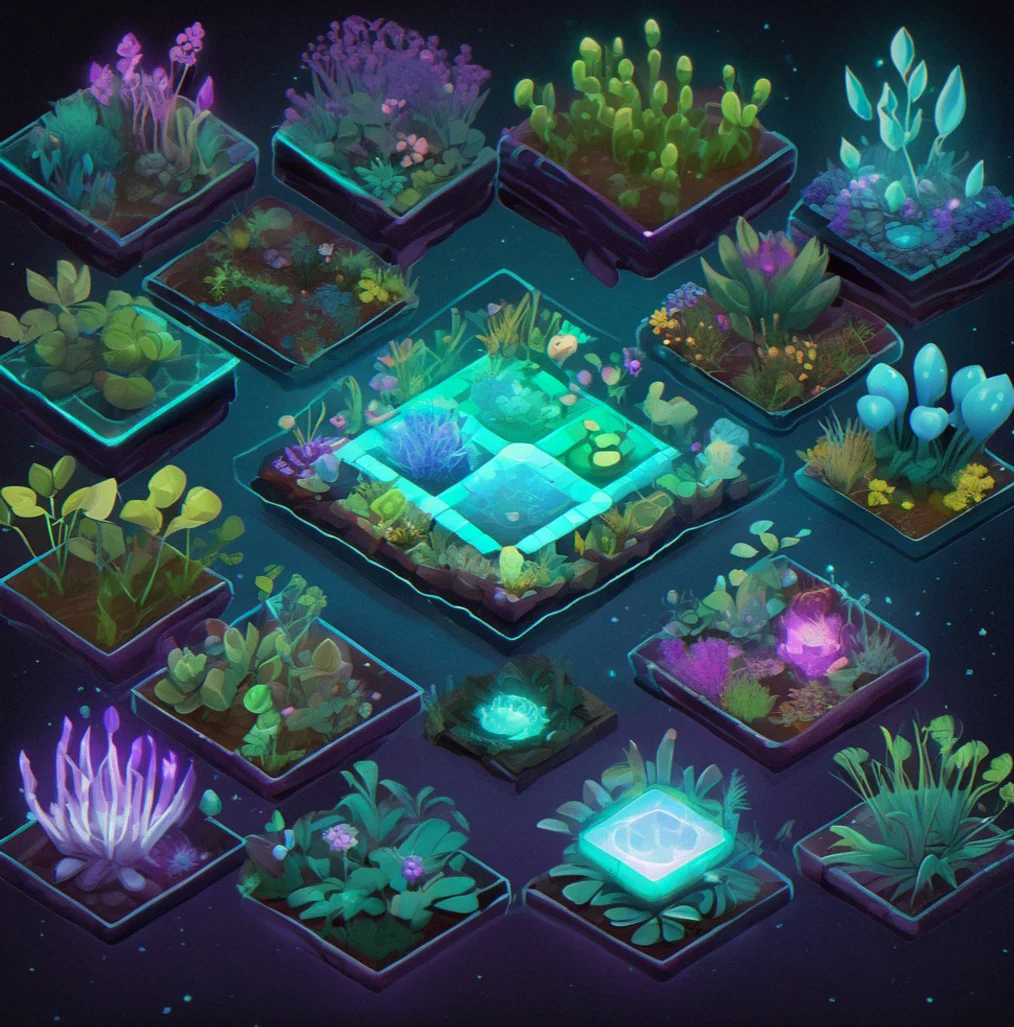
Level 1–5: Learning water distribution
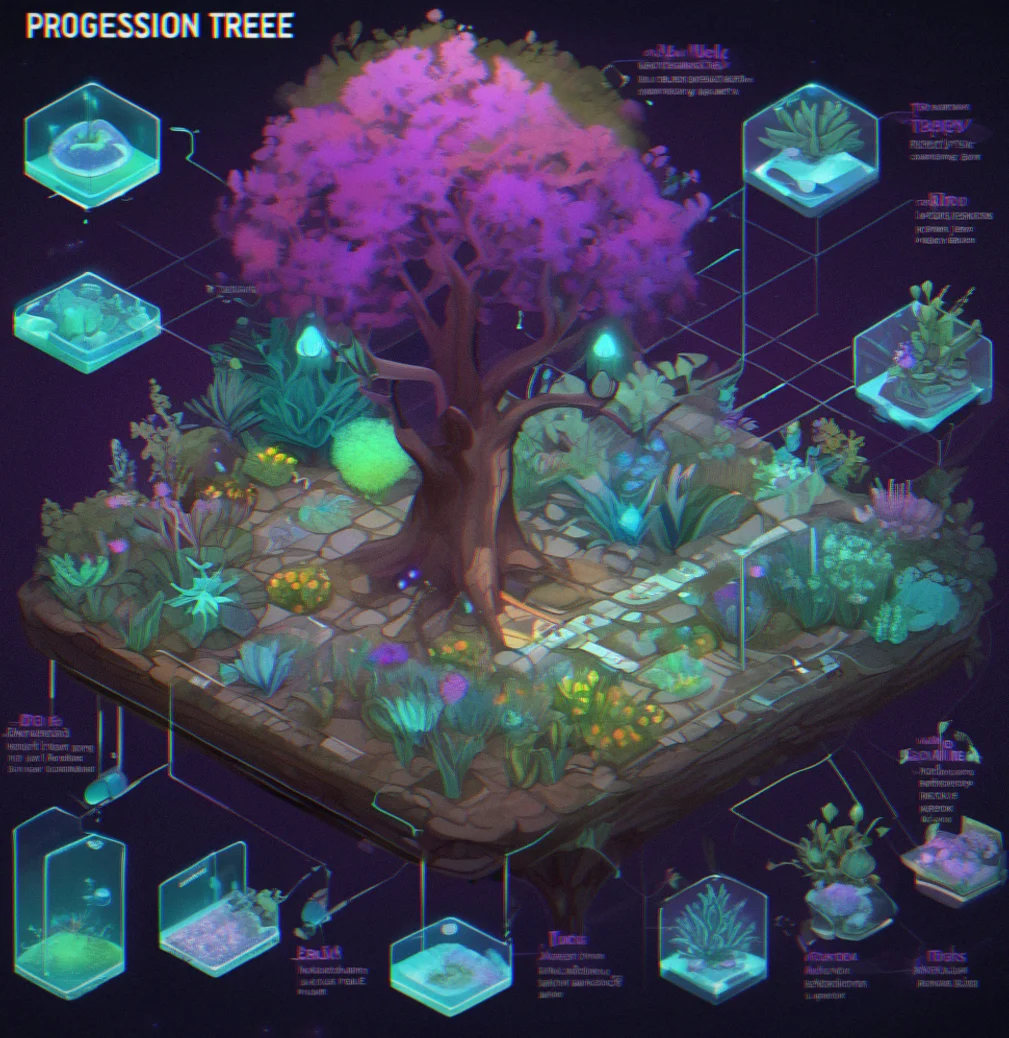
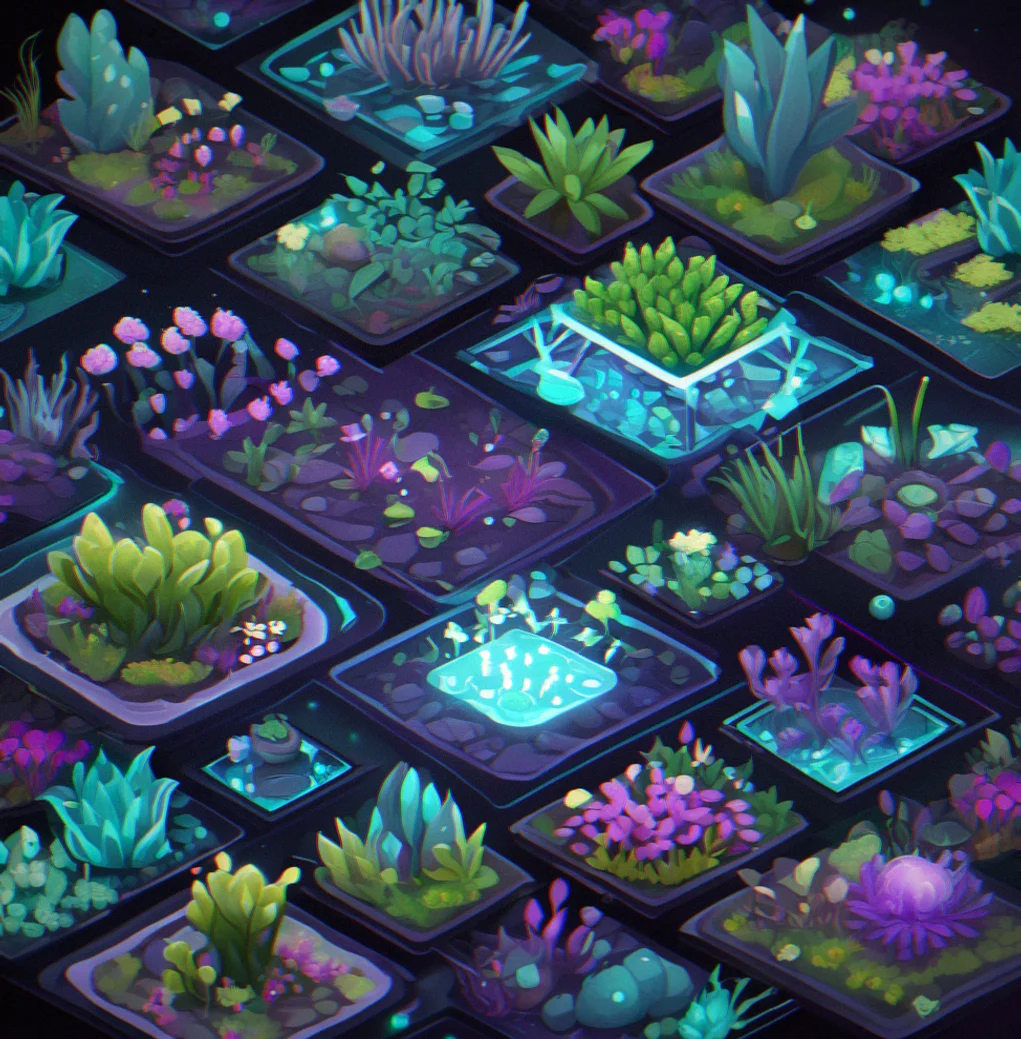
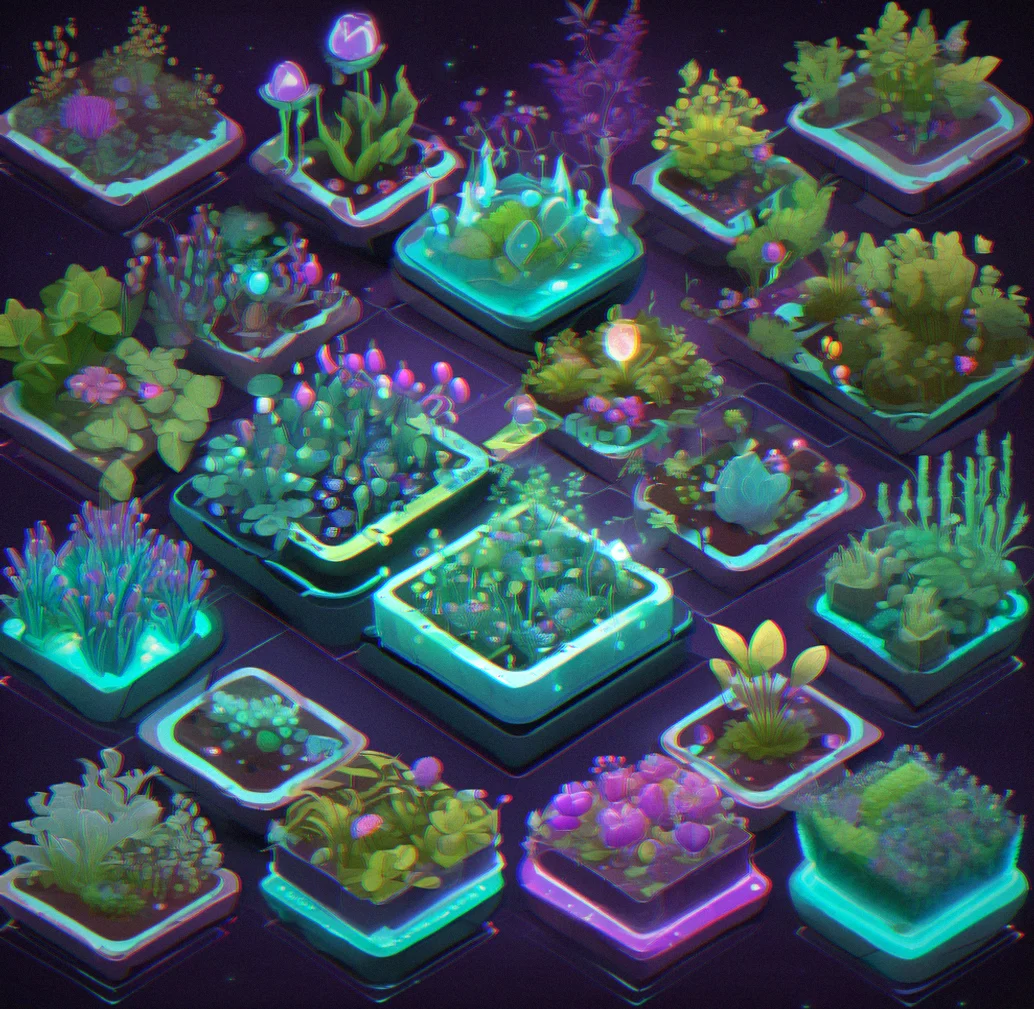
A basic grid with three plant modules in a line, water feeding down from two nodes at the top, simple nutrient soil underneath, barely any tech—this is where you learn how water actually moves
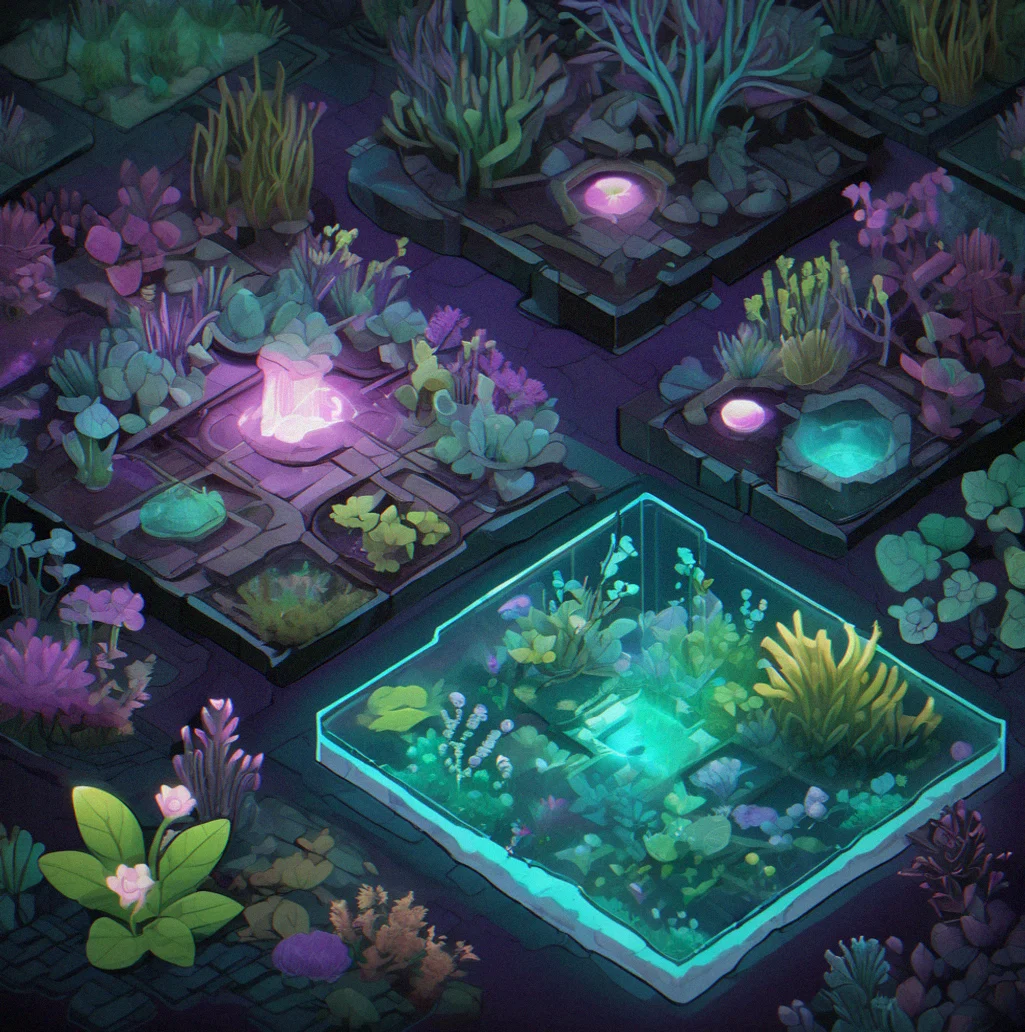
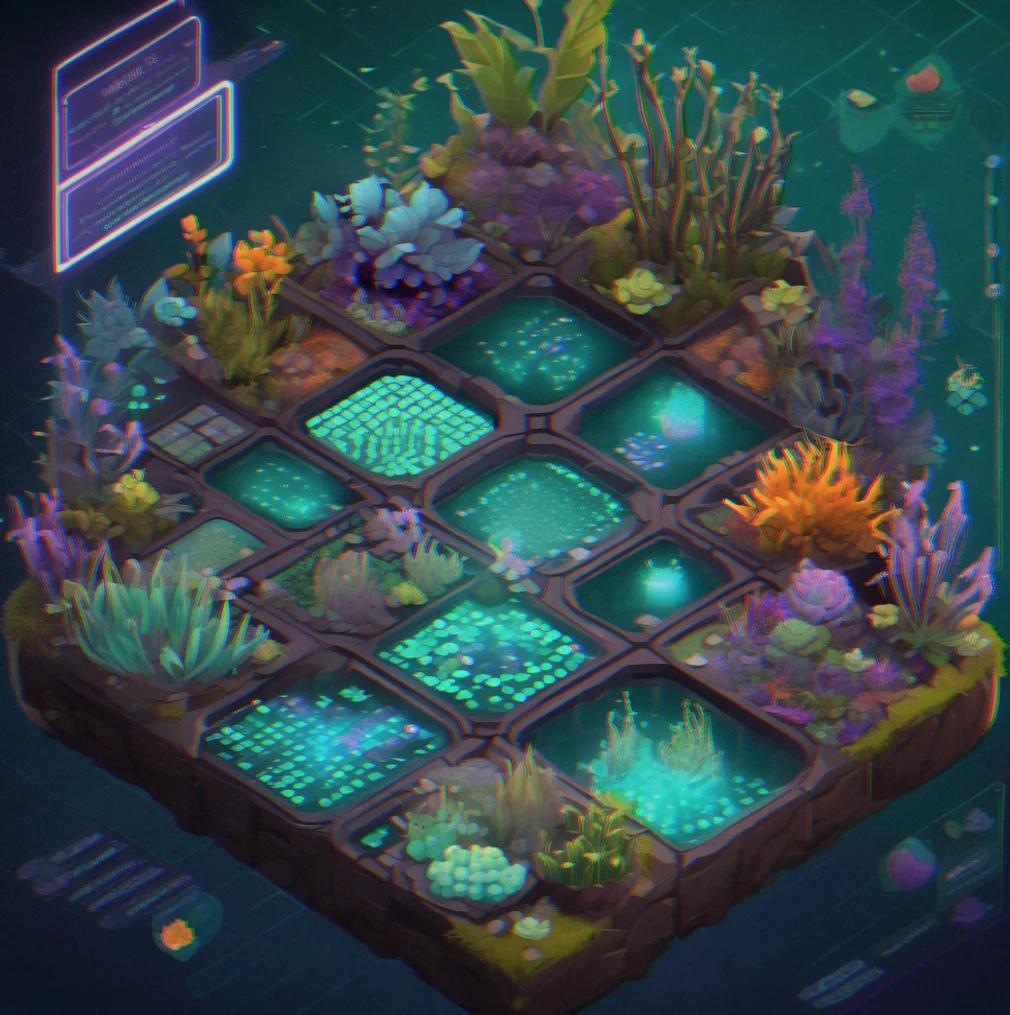
Level 15–25: Balancing three resources
Five interconnected modules spread across a wider grid, different resources flowing at the same time, energy converters feeding into separate zones, plants dressed up in purple and teal skins
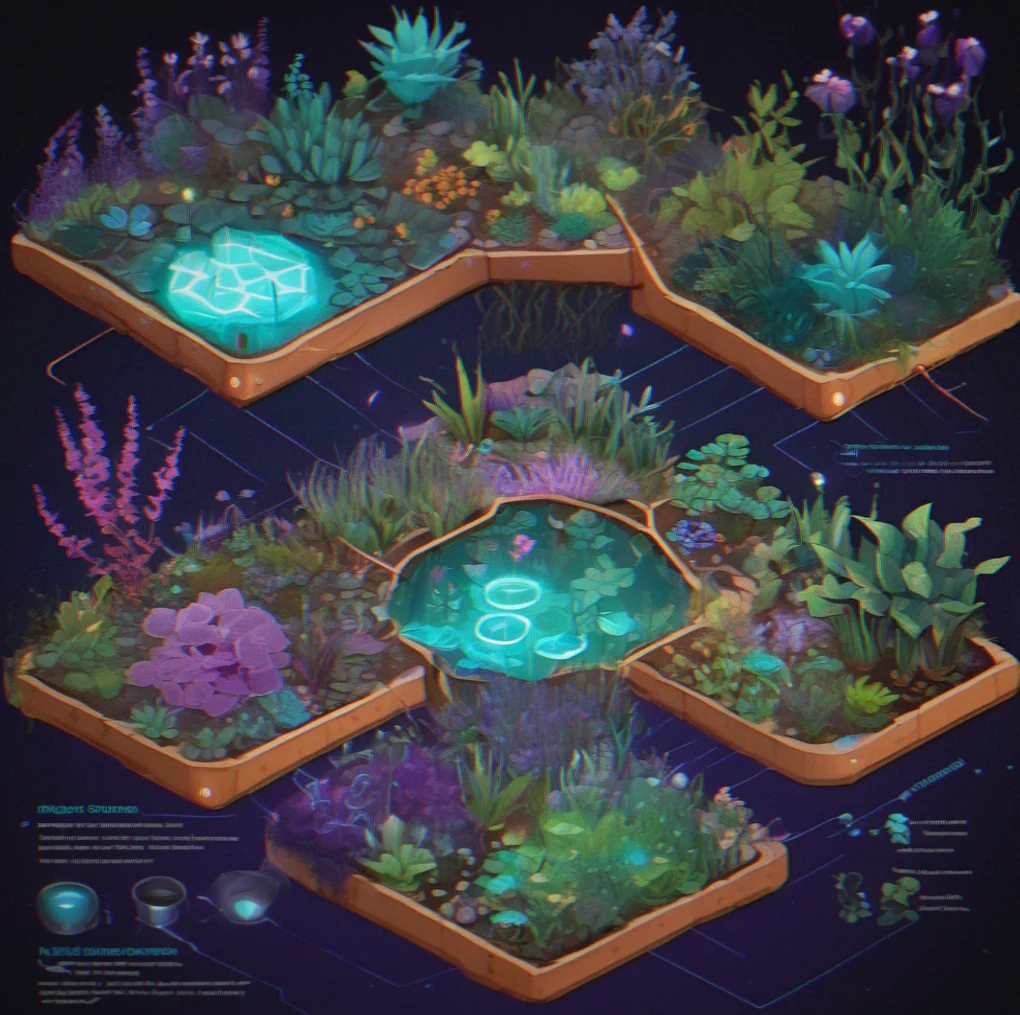
Level 35+: Systems thinking at depth
Seven modules working as a real ecosystem, hybrid nodes that change what they do based on what hits them, branching paths for energy moving everywhere, bioluminescent effects throughout, glowing channels showing resources flowing live
Questions
Common questions
Stuff people actually ask about before they download it. No fluff—just what you need to know about how the game actually works and what it'll ask of you.
Turn-based all the way. You set up your grid, execute the turn, watch one full cycle of resource movement happen, then figure out your next move. No countdown timers. No pressure to be fast.
The early ones are quick—maybe 5 to 10 minutes. Once you get to the middle section, you're looking at something closer to 15 or 30 minutes depending on how much tinkering you do. Later puzzles get mean. If you're going for both a working solution and something that looks good, you could be sitting there for 45 minutes or longer.
Nope. It's free-to-play without any of that stamina system garbage, no battle pass, nothing time-locked behind a paywall. You get access to all 40-some procedural levels without spending a cent.
Absolutely. The game abstracts all that away. Water is just a resource that moves down. Nutrients build up. Energy gets distributed. You're not learning agriculture—you're learning how systems interact.
Restart it instantly or jump to a different procedural level instead. No puzzle locks you out of moving forward. The early stuff teaches you gradually so you shouldn't hit a wall often, and restarting is always free anyway.
40-plus procedurally-generated levels split across multiple difficulty bands. Every one is different so there's no just memorizing the answer and moving on. People tend to get somewhere between 30 and 50 hours out of the puzzle set before they've seen most of what the game throws at them.
Nothing goes away. There are no daily tasks. No login rewards waiting to expire. Play whenever you feel like it, for however long. Take a break mid-puzzle for a week and come back to find it sitting there untouched.
You start with 6x6 early on. As things get harder, the grids bump up to 7x7 and then 8x8. The modules you're managing scale up too—late-game has you juggling 7 or more modules at once, which means you actually have to think ahead.
Get in touch
- You reach the actual dev team
- Bug reports get looked at within a couple days
- Your feature requests actually influence what we build
- No bots, no form letters
- We read everything that comes in
We actually read this stuff.